This railway still leaves a mark. It’s a long, moving day in Kanchanaburi built around the River Kwai sites tied to WWII labor and survival. You’ll cross the historic bridge, visit major memorial museums, and then ride the Death Railway route in a way that makes the facts feel real.
I really liked the pacing between remembrance and action: the Kanchanaburi War Cemetery sets the emotional tone, and the bridge + train segments keep the day from turning into a museum-only slog. One drawback to plan for: it’s about 11 hours with lots of road time, and the amount of storytelling can vary depending on your guide.
In This Review
- Key things I’d bet on (before you book)
- Starting 6:30 AM: MBK meeting point and the long drive rhythm from Bangkok
- Kanchanaburi War Cemetery and Chungkai: how to use this stop well
- JEATH War Museum: turning the name into WWII context
- River Kwai Bridge walk: the classic view with real-world meaning
- Train ride along the Death Railway: seeing the route instead of only reading it
- Krasae Cave (and sometimes a park-waterfall feel): what to expect at the final stop
- Lunch and the “staying human” strategy on an 11-hour schedule
- Price and value: is $75.83 fair for this Kanchanaburi day trip?
- Guide quality can make or break the day
- Who should book this Death Railway day tour from Bangkok?
- Should you book this tour?
- FAQ
- How long is the Kanchanaburi River Kwai and Death Railway tour?
- Where do I meet the group in Bangkok?
- Is hotel pickup included?
- What’s included in the price?
- Do I need to pay for entrances or the train separately?
- Is tipping included?
- Can I cancel for a full refund?
Key things I’d bet on (before you book)
- Early 6:30 AM start from Bangkok helps you beat the busiest parts of the day
- War Cemetery + JEATH museum give you context, not just photo stops
- Bridge over the River Kwai is both iconic and genuinely meaningful
- Train ticket + entrance fees included, so your final bill stays predictable
- Small-group style with a cap of 100 people, plus water and a cool towel for the ride
Starting 6:30 AM: MBK meeting point and the long drive rhythm from Bangkok
This is one of those day trips where you start early and keep moving. You meet at MBK Center (6:30 AM), and pickup is also offered in central Bangkok. The day runs about 11 hours, and you’ll spend a big chunk of that time on the road heading west toward Kanchanaburi Province.
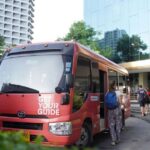
The comfort details matter here. You get an air-conditioned vehicle, plus bottled water and a cool towel—small things that help when you’re doing history in the heat. You’ll also want to treat the schedule like a marathon, not a stroll: plan for slower moments at the memorial sites, then expect the day to run tight when you’re moving between attractions.
Also note the drop-off style. You’re returned to MBK Center, not necessarily back to your hotel in Bangkok. If you’re continuing on elsewhere that evening, MBK is a handy landing spot.
You can also read our reviews of more tours and experiences in Bangkok
Kanchanaburi War Cemetery and Chungkai: how to use this stop well
The first major stop is the Kanchanaburi War Cemetery, with time set aside to walk through and pay respects. This place is kept very well, and that care is part of what hits. When everything is tidy and orderly, your attention can stay where it belongs: names, dates, and the weight of why this ground matters.
A specific detail included in the plan is Chungkai—you’ll spend part of your time in the cemetery area that’s associated with those war graves. Even if you don’t know the individual stories yet, you can still do something powerful with your visit: slow down and read carefully. I like using this stop to reset your expectations for the rest of the day—this isn’t just a sightseeing route. It’s a remembrance route.
Practical tip: bring a calm mindset. The ceremony tone here is different from the museum energy later. If you’re the type who takes photos during tough moments, consider putting the camera away for a few minutes and just let the place land.
JEATH War Museum: turning the name into WWII context
After the cemetery, you head to the JEATH War Museum. The name isn’t random; it’s built from the countries connected to the Death Railway construction between 1942 and 1945: Japan, England, America, Australia, Thailand, and Holland. That one line is a great guide for how to view the museum—this is not only about one nation’s perspective.
You’ll have a shorter chunk of time here than at the cemetery, but it’s enough to get your bearings. The museum focuses on prisoner-of-war experience and the broader operation of the railway system. For me, the value is that it helps explain how the bridge and track are connected to human stories—not just engineering or cinematic scenes.
One small timing note: the museum stop is about 30 minutes in the schedule. If you tend to read every caption, you might feel slightly rushed. In that case, read what stands out first, then take one or two deeper passes if your guide points out key areas.
River Kwai Bridge walk: the classic view with real-world meaning
Next comes the River Khwae Bridge in Kanchanaburi, the famous structure tied to the WWII period. The tour includes time to reach the bridge area, walk it, and connect what you see with what you’ve just learned. This is the part many people come for, and it still earns the attention—but now you know it’s more than an Instagram stop.
The Death Railway story matters here. Japanese forces constructed the meter-gauge railway line from Ban Pong (Thailand) to Thanbyuzayat (Burma), and this route is known as the Death Railway. Walking on or near the bridge, you can feel how a piece of infrastructure can become part of a tragedy.
Practical expectation: the bridge time is listed at about 2 hours. That tends to be enough for a full walk, some photos, and a pause to take in the scale. If your goal is only the quickest photo, you can do it fast. If you want to actually understand what you’re seeing, give yourself a little longer—this bridge rewards slower attention.
Train ride along the Death Railway: seeing the route instead of only reading it
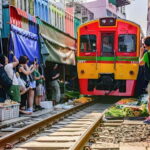
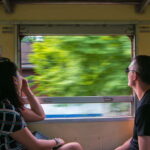
A big highlight of this day is the included train ticket and the chance to experience the Death Railway route by rail. The ride itself is described as scenic, and that’s the key word. Seeing the landscape from the train window can’t replace the memorial context you start with, but it adds a “moving picture” effect to the story.
You’ll likely appreciate the rhythm of the ride more if you mentally link it to the historical route: the railway line that stretched between Ban Pong and Thanbyuzayat is the backbone of what you’re learning all day. Even if the trains today are comfortable and regular, the experience gives your brain a sense of distance and direction that photos can’t do.
One extra detail that came up in comments: some people talked about paying an additional 300 baht to ride in a preferred section of the train compartment. I can’t guarantee that’s offered on every departure, but if you’re the kind who cares about view angles, it’s worth asking your guide if any small upgrade is available on your specific train.
Krasae Cave (and sometimes a park-waterfall feel): what to expect at the final stop
The last named site is Krasae Cave, described as a historic spot where POWs once rested, alongside the Death Railway. It’s also listed as a place where visitors can stroll along the railway and pause to pay respects at Buddhist areas connected to the site.
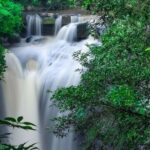
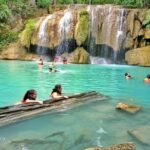
Here’s the honest part: the final stop may not always feel exactly like a cave outing. One comment noted that the last attraction wasn’t a cave but a waterfall in a national park, which was still nice—just not what some people expected. That doesn’t mean the core plan is wrong, but it does mean you should keep your mind flexible at the end of a long day.
My advice: treat this as a respectful final nature-and-memory stop. If you specifically want a cave walk, ask your guide early in the day what the final route will look like on your departure. That way there are no surprises when the van pulls up.
Lunch and the “staying human” strategy on an 11-hour schedule
This tour includes buffet lunch at a Thai restaurant, and that’s a real value point on a day like this. Food breaks are where you recharge. The key is to use that time to reset your energy rather than just stuffing quickly and rushing back to the next stop.
You’ll also have some onboard comforts that help you last:
- Bottled water and cool towel
- Air-conditioned transport
- Time buffers for restroom needs (some guides handle this well, which you’ll feel on a long day)
A long day is unavoidable here, but you can still make it feel manageable. Eat a normal lunch portion, drink water, and pace your photos. The cemetery and museum are mentally heavy; saving your best focus for those moments makes the whole day land better.
Price and value: is $75.83 fair for this Kanchanaburi day trip?
At $75.83 per person, you’re paying for more than bus transportation. The price covers several cost categories that add up quickly if you try to DIY:
- Professional English-speaking guide
- Buffet lunch
- Train ticket
- All entrance fees for the scheduled sites
- Air-conditioned vehicle
- Bottled water and cool towel
- Travel insurance
- Pickup in central Bangkok and a drop at MBK Center
So what you’re really buying is structure. That structure matters because the Death Railway area involves multiple separate stops spread out over the day, and you don’t want to be figuring out timing while trying to absorb memorial sites.
Value-wise, this is strongest if you:
- Don’t want to hunt down tickets and entry costs
- Like guided context (even when it varies by day)
- Want a one-day hit from Bangkok instead of an overnight plan
If you’re the kind of independent traveler who loves planning and reading everything yourself, you might be able to do it cheaper. But you’d lose the convenience of the included train and entrance fees, plus the guide’s role in connecting the dots between the cemetery, museum, bridge, and route.
Guide quality can make or break the day
One thing I’d flag: guide style isn’t identical across all departures. Names mentioned in connection with this route include Oom, Rach, Alex, and Tum Tum. The best days are when your guide keeps a steady flow of context, not just short bursts at each stop.
Some comments pointed out that certain days had less explanation during travel time and more of a “timing only” approach. That doesn’t mean the facts aren’t there—it means you might have to work a little harder to connect the sites unless you ask questions.
If you care about the storytelling, come prepared with one or two specific questions—like how the cemetery connects to the railway camps, or what to look for first in the JEATH museum. A good guide will meet you there fast.
Who should book this Death Railway day tour from Bangkok?
This fits best if you want:
- A one-day overview that covers the major WWII-linked sites in Kanchanaburi
- Included logistics so you can focus on the experience
- A mix of remembrance (cemetery), explanation (museum), and movement (bridge + train)
It may feel less ideal if:
- You strongly prefer long narration during driving segments
- You hate early mornings and don’t handle long road days well
- You need your final stop to be exactly a cave experience (since the nature portion can sometimes feel different)
For families, the day can work, especially if kids can handle a long ride. Just remember it’s a full day with multiple segments and early start.
Should you book this tour?
If you’re going to do the Death Railway from Bangkok in one day, I’d call this a solid, practical choice. The combination of cemetery, JEATH museum, bridge access, and an included train ticket is exactly the kind of package that makes a hard topic easier to approach without getting lost in logistics.
Book it if you want structure, included costs, and the chance to see the railway route rather than only reading about it. If you’re extra sensitive to guide storytelling or you need the final stop to match a specific expectation, ask questions in advance and keep flexibility for the last nature segment.
FAQ
How long is the Kanchanaburi River Kwai and Death Railway tour?
The tour runs for about 11 hours.
Where do I meet the group in Bangkok?
You meet at MBK Center, 444 Phaya Thai Rd, Krung Thep Maha Nakhon, starting at 6:30 AM. The tour also drops at MBK Center.
Is hotel pickup included?
Pickup is offered from your hotel in the city center (one-way). You will be dropped at MBK shopping center.
What’s included in the price?
The price includes a professional English-speaking guide, buffet lunch, train ticket, all entrance fees, air-conditioned vehicle, bottled drinking water and cool towel, and travel insurance.
Do I need to pay for entrances or the train separately?
No. Entrance fees and the train ticket are included.
Is tipping included?
Tipping is not included. Gratuities for the guide and driver are voluntary.
Can I cancel for a full refund?
Yes. Free cancellation is available up to 24 hours in advance for a full refund.