REVIEW · TRAIN EXPERIENCES
Floating and Railway Markets with Kwan Damnoen Restuarant
Book on Viator →Operated by Thailand Insight Travel · Bookable on Viator
Three markets, one smooth day outside Bangkok. This private tour strings together the Maeklong railway line and Damnoen Saduak floating boats, with a motorboat cruise plus a coconut farm stop that adds context to what you’re seeing. You also get round-trip transfers from central Bangkok, so you’re not hunting buses or waiting on other people.
What I like most is the time-saving private setup. Hotel pickup and drop-off in an air-conditioned vehicle keeps you comfortable while you travel out toward Samut Sakhon and Damnoen Saduak. I also like that the day isn’t only “market photos.” You stop at salt fields, learn how coconut nectar turns into coconut sugar, then finish at Kwan Damnoen Food Park 2.
One consideration: it’s an about 8-hour day with roughly 3 hours each way between Bangkok and the railway/floating area. And lunch at Kwan Damnoen is not included, so you’ll want to budget for the meal you choose there.
In This Review
- Key highlights worth your attention
- Why this Railway + Floating Market combo works
- Getting started in Bangkok: Centerpoint Siam Square pickup and a smooth drive
- Stop 1: Samut Sakhon salt fields and the quick lesson behind the scenery
- Stop 2: Maeklong Railway Market by train (Hoop Rom Market)
- Stop 3: Coconut Sugar Farm (nectar and palm sugar methods)
- Stop 4: Damnoen Saduak Floating Market from the water
- Stop 5: Kwan Damnoen Food Park 2 for lunch (not included)
- Price and value: what you’re really paying for at $126.74
- Who this tour suits best (and who might want a different plan)
- Booking advice before you go
- Should you book this tour?
- FAQ
- How long is the Floating and Railway Markets with Kwan Damnoen Restaurant tour?
- Where does the tour start and end?
- Does the tour include hotel pickup and drop-off?
- What transportation is included in the tour?
- Which stops have admission included?
- Is lunch included at Kwan Damnoen Food Park 2?
- Is this a private tour or a group tour?
- Is there an English-speaking guide?
- Is the tour suitable for most people?
- Can I get a refund if I cancel?
Key highlights worth your attention
- Private van + licensed English-speaking guide makes the out-of-town logistics feel manageable.
- Maeklong Railway Market by train is one of the most dramatic market-arrival moments in Thailand.
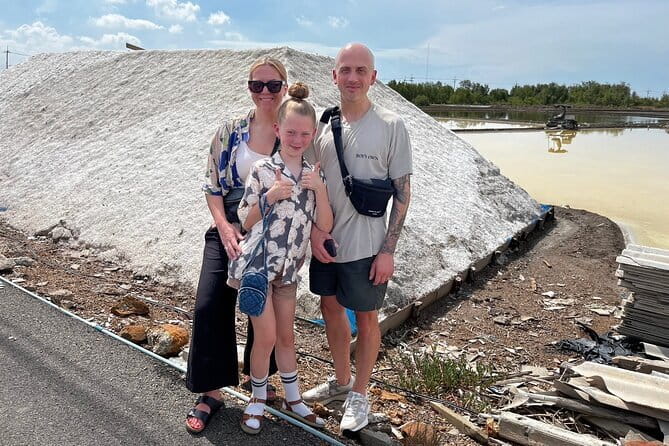
- Samut Sakhon salt fields give you a quick look at traditional sea-salt work.
- Coconut nectar to sugar is taught on-site at a dedicated farm stop.
- Motorboat ride at Damnoen Saduak helps you see the market from the water, not just from shore.
- Kwan Damnoen Food Park 2 is a built-in food stop, but lunch cost is on you.
Why this Railway + Floating Market combo works
Bangkok is great, but these two markets sit far outside the city. The value of this tour is that it bundles the hard parts together: getting out there, timing the rides, and handling the quick transitions between stops.
The big win is the mix of transport styles. You’ll take a train through/into the famous railway market zone, then switch to a motorboat for Damnoen Saduak. That change matters because it changes how you understand the place. You don’t just see boats and stalls; you feel how the market layout is built around water and tracks.
Also, this is private. That means you can move at the pace of your group and your guide’s plan, instead of getting pulled along with a larger bus crowd. In past days, guides such as Poppy, Adam, and Lin (names that show up in feedback) have been praised for keeping everything organized and for handling the photo moments in the right spot, not just pointing and hoping.
You can also read our reviews of more tours and experiences in Bangkok.


Getting started in Bangkok: Centerpoint Siam Square pickup and a smooth drive
Your day is anchored at Centerpoint Siam Square (292 Rama I Rd). That’s central Bangkok, and it’s helpful because you’re less likely to lose time to complicated meeting logistics.
From there, you’re in a private air-conditioned vehicle with round-trip transfers. This matters on a day like this because the route out toward the markets takes time—about 3 hours one way. When you’re not overheating on the road or figuring out transit changes, you arrive with energy for the market stops that can be crowded and loud.
One more practical note: the tour includes a mobile ticket, which usually means less paper fuss on your end. And there’s travel accident insurance up to 1,000,000 THB per person, which is a comforting detail for a full-day ride-and-tour itinerary.
Stop 1: Samut Sakhon salt fields and the quick lesson behind the scenery
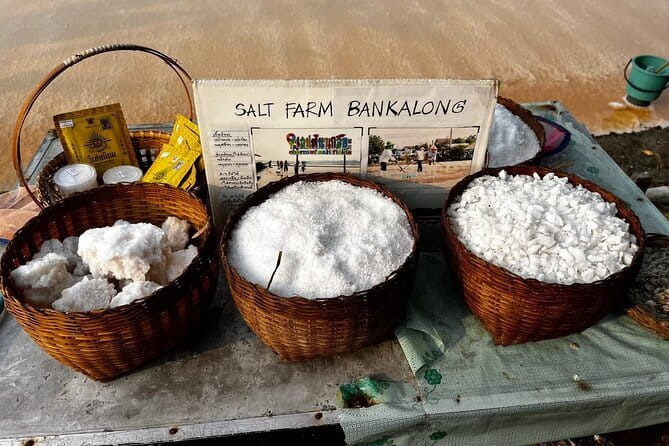
The first added stop is Samut Sakhon salt fields, famous for their whitish salt landscapes made from sea water. You’ll spend about 10 minutes here, and there’s no admission fee listed for this stop.
Is ten minutes short? Yes. But it’s a smart kind of short. This is a palate cleanser before the more intense market experience. Seeing sea water turned into salt helps you connect a lot of the nearby local economy to what you later eat and buy.
If you’re the type who likes to understand what you’re looking at, this small stop is a good start. You’re not only chasing photos; you’re getting a bit of context before you hit the more chaotic visual scenes.
Stop 2: Maeklong Railway Market by train (Hoop Rom Market)
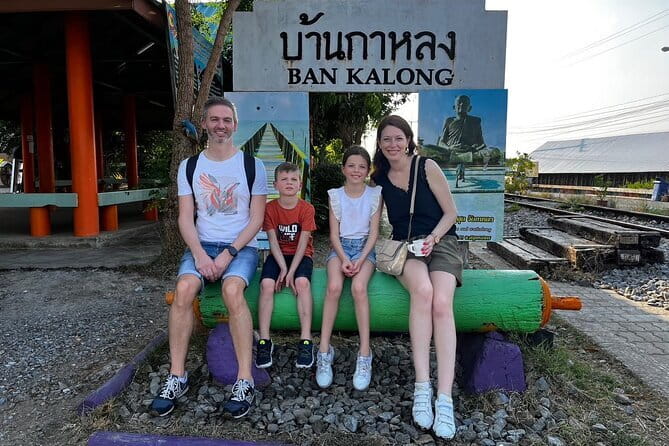
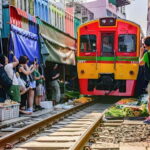
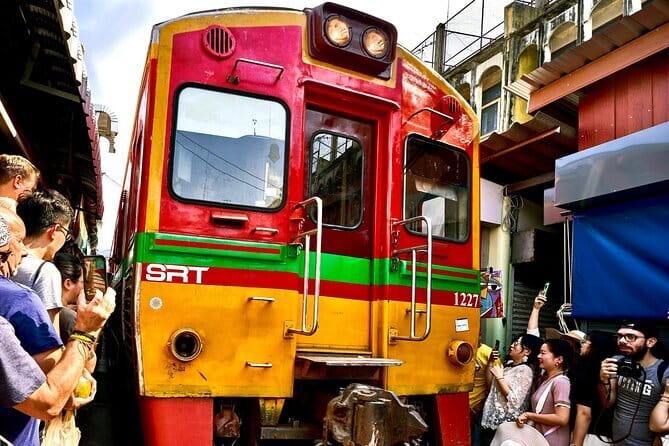
This is the headline moment for many people: Maeklong Railway Market (Hoop Rom Market). The stop runs about 1.5 hours, and the plan includes the train ride as part of the experience.
Here’s why this works so well as a tour stop. The market is famous because trains run through an active market area. That means you’re not just looking at old-fashioned rails—you’re seeing daily life adapt to real-time movement. Arriving by train also helps you understand the rhythm of the place in a way buses can’t replicate.
From feedback, guides such as Adam, Lin, and others have been praised for getting people into the best viewing spots and for explaining what’s happening around the line. That’s important because the action is quick and crowded. If you rely only on yourself, you may spend your time trying to figure out where to stand rather than experiencing it.
Practical advice for you: wear shoes you can move in. This is one of those “watch your footing, then watch the train” situations. If you bring a camera, think about steady framing rather than spinning around every second.
Stop 3: Coconut Sugar Farm (nectar and palm sugar methods)

After the train thrills, you shift to something calmer: a coconut sugar farm stop about 20 minutes long, with admission included.
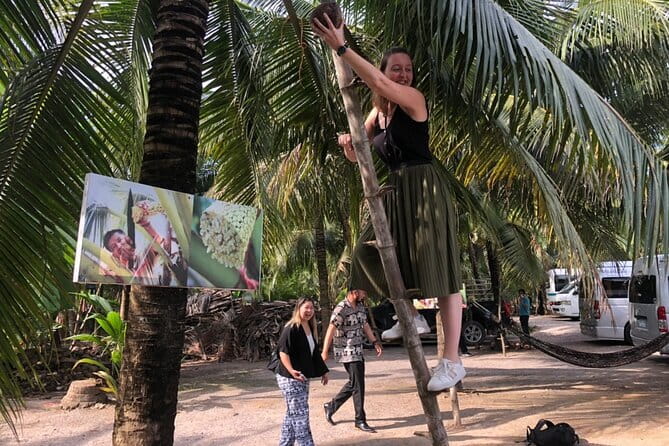
This is where the tour adds real value beyond sightseeing. You’re not just tasting coconut sugar later. You’re learning how farmers produce coconut nectar and how it turns into palm sugar loaf through traditional methods. Even in a short visit, that kind of explanation changes how you read the market items that come afterward.
If you buy souvenirs, this matters. You’ll have a better sense of what you’re paying for and how it’s made. And if you care about food, this stop gives you a straight line from farm production to the products you see for sale.
As a photo stop, it also tends to be easier than the railway and floating markets. The pace is slower, and you can focus on hands-on details rather than traffic and crowds.
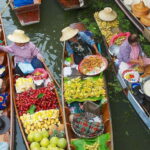
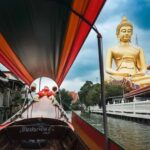

Stop 4: Damnoen Saduak Floating Market from the water
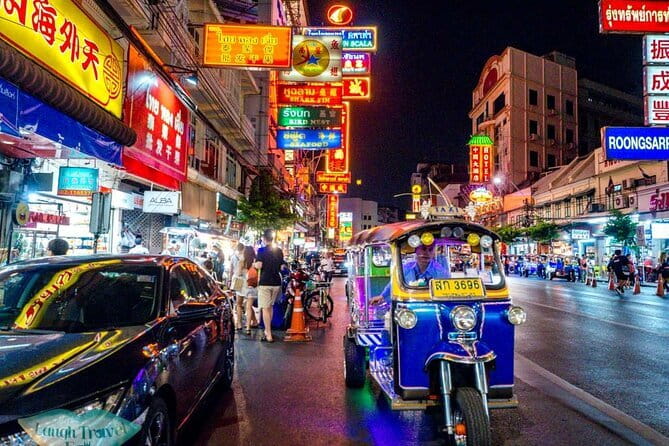
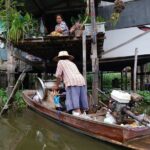
Next up: Damnoen Saduak Floating Market, about 1.5 hours, with a motorboat ride included.
This is the market people picture when they think Thailand’s “floating” style: boats lined with stalls, vendors calling out, and a shoreline that looks different depending on where you sit in the boat line. The tour’s approach—motorboat first—helps you see the market as a working waterway, not just a scenic background.
A key detail: you’ll have time on the boat, so you’re not only viewing from a single fixed angle. That’s usually where your best photos come from—when you’re moving with the market lanes rather than waiting on shore. In past feedback, the boat ride was repeatedly called a standout part, with guides helping people get good photo angles.
Practical reality check: the floating market can be intense. People move, boats maneuver, and you’re likely to feel a bit compressed in space. Having a guide makes a difference because they can steer you toward the right moment and place for photos and help you avoid time-wasting aimless wandering.
If you’re sensitive to sun, plan for it. You’ll be outdoors on the ride, and that’s true even if your guide keeps everything efficient.
Stop 5: Kwan Damnoen Food Park 2 for lunch (not included)
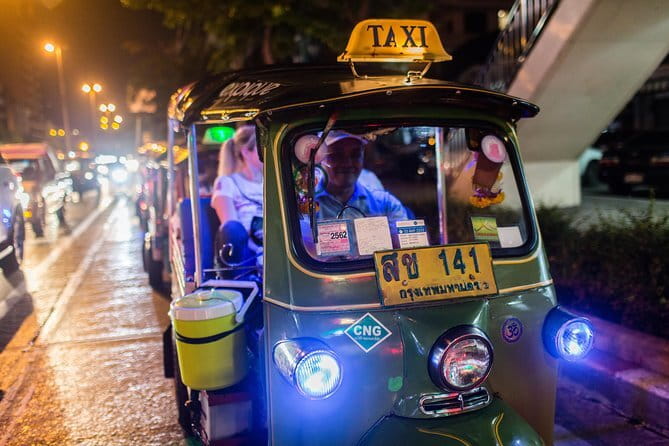
Your last activity stop is Kwan Damnoen Food Park 2 in the Damnoen Saduak district. It’s scheduled for about 1 hour, and admission is not included, with lunch cost listed as self-ordered and paid.
This is a thoughtful place to end the market-heavy morning and early afternoon. It gives you a concrete place to eat instead of scrambling for food after you’ve already spent time riding and walking.
Since lunch is on you, you’ll get the benefit of choice: you can order something that fits your taste and energy level. The tradeoff is cost control. If you’re budgeting tightly, look over menu options and decide early rather than waiting until you’re tired.
Also, because you’re done with the main sights after Kwan Damnoen, this hour feels more like a pause than another “must-do” chase.
Price and value: what you’re really paying for at $126.74
At $126.74 per person for about 8 hours, the price can feel steep at first—until you break down what’s included. You’re paying for:
- Round-trip transfers from central Bangkok by private air-conditioned vehicle
- A licensed English-speaking guide
- Train ride into/for the Railway Market experience
- Motorboat ride at Damnoen Saduak
- Included admissions at the main stops (Railway Market, Coconut Sugar Farm, Floating Market)
- Travel accident insurance up to 1,000,000 THB per person
The expensive part of these days is rarely the market itself. It’s transportation and coordination. When you’re doing both markets in one go, you’d either pay for multiple transfers or you’d spend your day solving logistics. This tour packages that.
One more angle: the tour is private and you’re not waiting on other travelers. In practice, that means less time lost to crowd management and slower group pacing. If you’re traveling as a couple, family, or a small group that wants a calmer day trip, private often makes financial sense because it’s replacing what would otherwise be taxi time, time lost, and mental load.
The only clear “you pay extra” items are lunch at Kwan Damnoen and anything personal you choose to buy in markets.
Who this tour suits best (and who might want a different plan)
I think this tour is a great fit if you want big-name sights without the stress. It works well for:
- People who dislike bus tours and want a more controlled schedule
- Camera lovers who care about timing at the railway and floating market
- Food-curious visitors who like the coconut sugar farm context
- Families or groups that value smooth pickup/drop-off rather than independent transport
If you hate longer travel days, this may feel like a lot. About 3 hours each way is a commitment, and the overall day is long. In that case, you might prefer a more focused option that stays closer to Bangkok.
Booking advice before you go
Because this is a private day trip, the most important “prep” is mindset and comfort.
Wear shoes you can move in confidently for the railway market area. Bring sun protection for the motorboat ride. And decide ahead of time if you’ll treat Kwan Damnoen as a light lunch or a proper meal; since lunch isn’t included, your plan will keep the hour relaxed.
Also, with the stop structure—salt fields (10 minutes), then railway (1.5 hours), then farm (20 minutes), then floating (1.5 hours)—you’ll feel the day rhythm. You’ll want quick energy foods and water, especially if you’re out in the sun.
Should you book this tour?
Yes, if you want a well-run day trip that checks two of Thailand’s most distinctive markets off your list, while adding a farm and salt-field context that makes the food and products feel less random. The strongest reason to book is the combination of private transfers plus train and motorboat experiences, all in one schedule, without you having to solve the logistics.
I’d think twice if you only want one market and you dislike long car time. The itinerary is built as a “both markets plus learning stops” day, so it’s not the right fit for a short, low-effort outing.
If you’re aiming for memorable photos, a smoother pace, and a day that feels thoughtfully assembled rather than improvised, this is one of the better ways to do it.
FAQ
How long is the Floating and Railway Markets with Kwan Damnoen Restaurant tour?
It’s approximately 8 hours total.
Where does the tour start and end?
It starts at Centerpoint Siam Square in Bangkok and ends back at the same meeting point.
Does the tour include hotel pickup and drop-off?
Yes. It includes hotel pickup and drop-off, with a private air-conditioned vehicle.
What transportation is included in the tour?
You’ll have a motorboat ride for the floating market and a train ride for the Railway Market.
Which stops have admission included?
Admission is included for the Railway Market, the Coconut Sugar Farm, and the Damnoen Saduak Floating Market. The salt fields stop lists free admission. Kwan Damnoen Food Park 2 lunch is not included.
Is lunch included at Kwan Damnoen Food Park 2?
No. Lunch cost is self-ordered and paid.
Is this a private tour or a group tour?
It’s a private tour/activity, so only your group participates.
Is there an English-speaking guide?
Yes, the tour includes a licensed English-speaking guide.
Is the tour suitable for most people?
The listing notes that most people can participate.
Can I get a refund if I cancel?
Yes. Free cancellation is available up to 24 hours in advance for a full refund. If you cancel less than 24 hours before the start time, the amount paid is not refunded.