REVIEW · BANGKOK
Bangkok Three Temples and The City
Book on Viator →Operated by Asia Advisor by Asni · Bookable on Viator
Three temples in one tight, well-paced circuit. You’ll connect Chinatown’s gold Buddha to the west bank river views, with train-and-boat travel that feels less stuck in traffic. It’s a simple way to get your bearings in Krung Thep, the city with the famously long name.
I especially like the small group size (max 15), which keeps questions from getting lost. And I like that you get a professional English-speaking guide—the kind who adjusts when schedules change, like Nina did around a Queen’s birthday closure.
One heads-up: temple admission tickets aren’t included, so you’ll want to budget a bit extra per stop. Also, each temple visit is about 30 minutes, so it’s best if you want a strong overview, not a slow, deep sit.
In This Review
- Key points to know before you go
- Krung Thep in Four Hours: why this route works
- Meet-up, getting there, and the train-and-boat rhythm
- Wat Traimit (Temple of the Golden Buddha): the gold statue that steals the show
- Wat Pho (Temple of the Reclining Buddha): more than one big statue
- Wat Arun (Temple of Dawn): riverside views and the west bank feel
- The boat ride + transport mix: what you really gain
- Price and value: is $45.07 a fair deal?
- Guide power: why names like Nina and Toon matter here
- Dress code and temple etiquette: small effort, big payoff
- Who should book this tour (and who should skip it)
- Should you book this Bangkok Three Temples and The City tour?
- FAQ
- How long is the tour?
- Which temples does the tour include?
- Is a guide included?
- Are temple admission tickets included?
- Where do I meet the tour?
- What transportation do I use?
- What should I wear to the temples?
Key points to know before you go
- Wat Traimit’s 5.5-ton gold Buddha: a seated gold statue that’s basically the headline of Chinatown.
- Wat Pho’s reclining Buddha: a must-see for first-time Bangkok temple context.
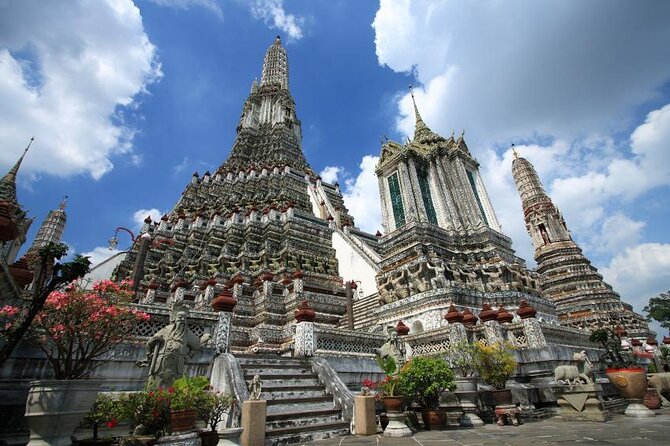
- Wat Arun’s riverside setting: classic skyline views across the Chao Phraya.
- Train + boat transportation: eco-style transit that also makes the day more interesting.
- Small group (up to 15): more room for questions and quick guide corrections.
- Guides who adapt: examples from past guides include schedule changes and patient handling of delays.
Krung Thep in Four Hours: why this route works
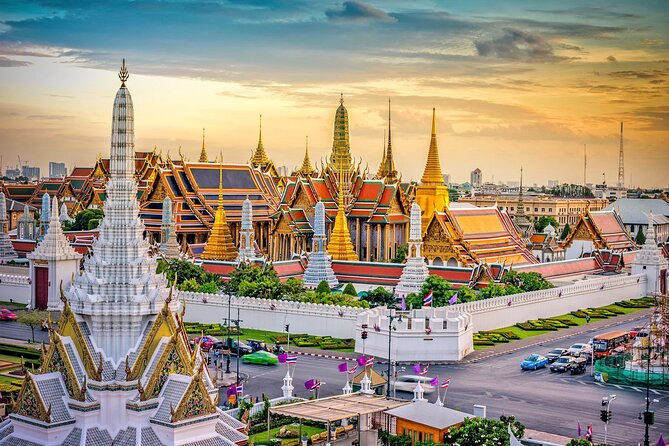
Bangkok can feel like a lot at once. This tour gives you a clean way to see three of the biggest temple stops without turning your day into a logistics project. You’re not just hopping from one photo spot to another—you’re moving through the city’s different areas and temple styles, which helps it all click.
What makes it especially practical is the structure. The tour is about 4 hours, with roughly 30 minutes at each main temple. That’s enough time to enter, take in the main highlights, and understand what you’re looking at—without burning daylight.
And because it’s a small group, it usually feels more like a guided walk with a plan than a rushed stampede.
You can also read our reviews of more city tours in Bangkok
Meet-up, getting there, and the train-and-boat rhythm
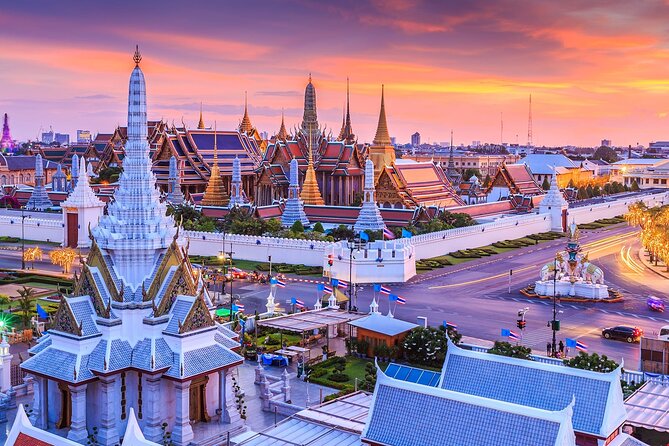
You start and end at BTS Saphan Taksin (the tour lists a specific pin: PG97+GJ2, Yan Nawa, Sathon). That’s a smart choice. It ties the tour to a major public transport hub, so you can easily continue your day before or after.
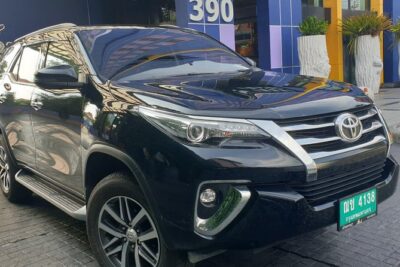
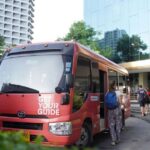
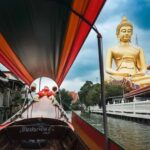
You’ll use an air-conditioned vehicle to get between zones, but you don’t spend the whole time in a van. The tour includes travel via train and boat for eco-tourism, plus a scenic boat ride over the Chao Phraya River. The payoff is twofold: it breaks up the day visually, and it can reduce the time lost to Bangkok road traffic.
Do plan for real-world timing. The tour notes that a driver can be late 15–30 minutes because of traffic or other clauses. If you’re the type who builds buffer time, you’ll enjoy this far more.
Wat Traimit (Temple of the Golden Buddha): the gold statue that steals the show
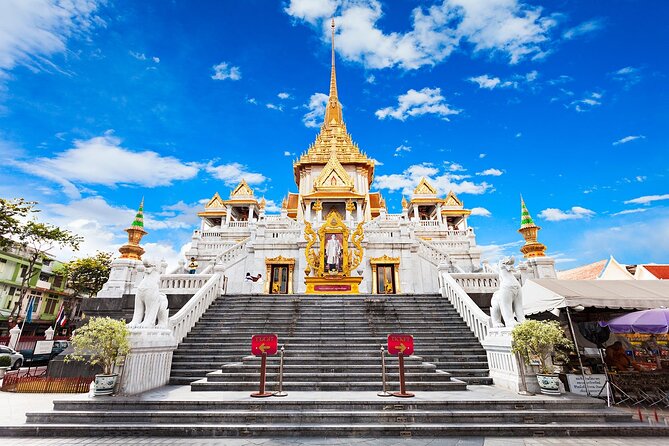
Wat Traimit is the first stop for a reason: it sets a dramatic tone early. This is the place with the 5.5-ton seated Buddha—gold sculpture dated to the 13th century and nearly 5 metres tall.
The experience here isn’t just seeing something shiny. It’s the shock of scale. When you’re close, you realize it’s not a decorative object—it’s a major historical centerpiece. Being in Chinatown adds another layer: you’re walking into a temple that feels part of the neighborhood’s everyday energy, not tucked away like a museum-only stop.
Why I like it for a first temple: the guide can point you toward what matters quickly, so you’re not wandering. You get the central visual, you learn the story behind it, then you move on before the day gets heavy.
A practical consideration: admission tickets aren’t included here, so keep some cash or a payment plan ready for the entry fee. Also, this stop is listed at about 30 minutes, so you’ll want to prioritize photos and key viewing spots.
Wat Pho (Temple of the Reclining Buddha): more than one big statue
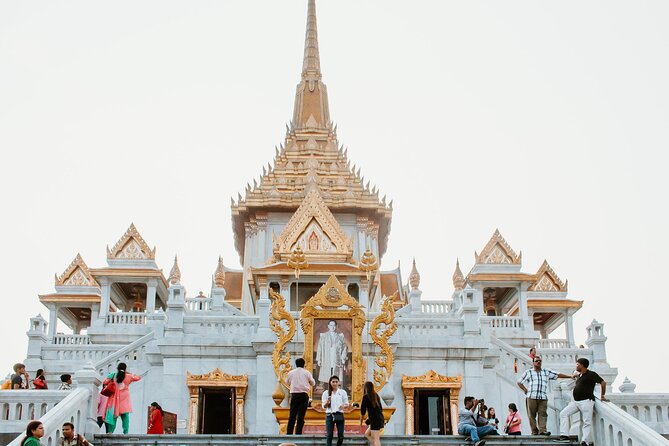
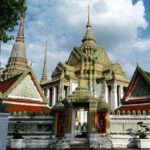
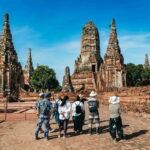
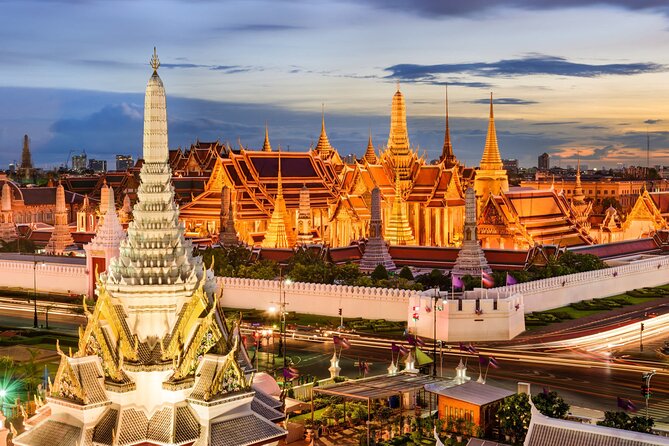
Wat Pho is right behind the Emerald Buddha area, and it’s widely recognized as one of Bangkok’s biggest temple complexes. For first-timers, it’s often the temple that makes the whole day feel more grounded, because it’s not just one single spectacle—you get multiple spaces and shrine moments.
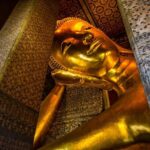
The headline is the Reclining Buddha. Even if you’ve seen pictures before, the real thing reads differently in person—long, detailed, and designed for a slow visual sweep. What I appreciate about having a guide here is that they help you connect details to meaning. Instead of staring at the gold and hoping it makes sense, you learn what each part is and why it’s there.
This stop is also your chance to adjust to temple etiquette. Bangkok temples have conservative dress expectations, and Wat Pho is a place where doing the right thing makes your visit smoother. You’ll also feel how the guide keeps the group moving—helpful if you don’t want to spend half your tour figuring out where to stand and what to look for.
Like the others, admission tickets aren’t included and the time is about 30 minutes. That’s ideal for an overview. If you want long reflection time, consider pairing this tour with a return visit later on your own.
Wat Arun (Temple of Dawn): riverside views and the west bank feel
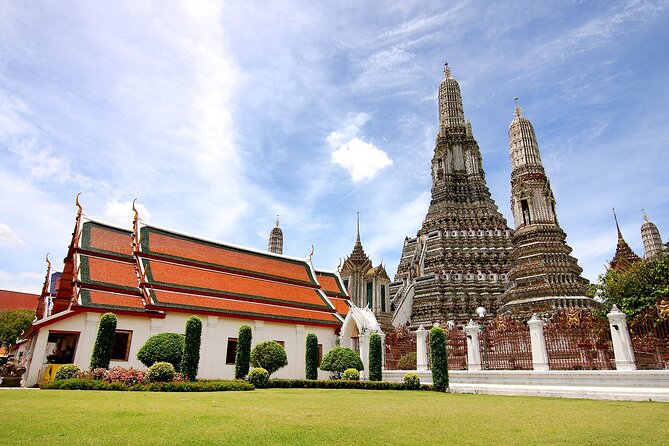
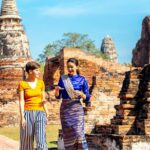
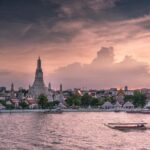
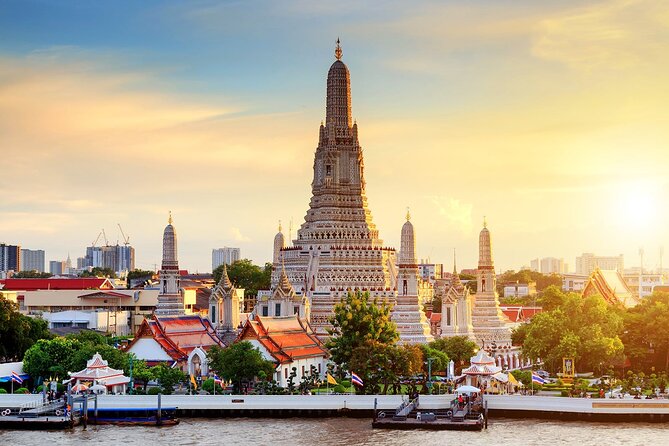
Wat Arun, locally known as Wat Chaeng, sits on the west bank of the Chao Phraya River in Thonburi. It’s one of those temples that looks best in motion—boat views help, and so do the angles you get when you’re standing across the water.
The tour’s river timing matters because it’s not just about arriving at the temple. You also get a chance to see Bangkok’s river setting during the day’s travel. That’s where the scenic boat ride can turn a straightforward temple visit into a more memorable city experience.
Wat Arun itself is visually distinct. The tower shape, the river location, and the way light hits the details make it a natural contrast to the earlier stops. After Wat Traimit’s gold centerpiece and Wat Pho’s reclining Buddha scale, Wat Arun adds height and geometry. It’s a good mental reset.
One more reason this stop works in a short tour: the guide can help you choose the most worthwhile viewing areas during your allotted time. With only about 30 minutes, you’ll be glad you’re not guessing.
Again, plan for admission tickets not included and keep an eye on dress rules so you’re comfortable moving around temple steps and courtyards.
The boat ride + transport mix: what you really gain
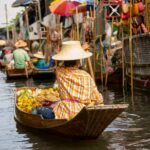
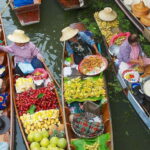
This isn’t just a temple checklist. The train and boat part changes the tone of the day. It gives you a slice of how Bangkok moves beyond streets—especially the river, which is still a major character in the city.
Also, this transport mix supports the tour’s timing. If you only ride in cars, you’re always negotiating traffic. When you add rail and water, you reduce the odds of the day feeling chaotic. Even if the van driver runs late, the tour has built-in momentum through other movement modes.
If you like eco-minded choices and you enjoy seeing the city in layers, you’ll likely appreciate the flow. It’s not a full immersion day, but it gives you a more local way of traveling than a pure road-only route.
Price and value: is $45.07 a fair deal?
The listed price is $45.07 per person, and the inclusions are the important part. You get a professional English-speaking guide, pickup and drop-off, and an air-conditioned vehicle. The tour also features the boat ride and the train-and-boat travel style.
What you should budget separately: temple admission tickets are not included. Tips aren’t included either. That’s normal for tours like this, but it does affect your true day cost.
So is it worth it? In my view, it’s solid value if you want three major temples plus city context in one organized window. You’re paying for time saved, navigation handled, and interpretation so you understand what you’re seeing—especially at Wat Traimit and Wat Pho, where the meaning behind details matters.
If you already know Bangkok’s temple layout and don’t want to pay for guiding, you could technically build the route on your own. But if you want less friction and clearer context, this format makes sense for the money.
Guide power: why names like Nina and Toon matter here
A good guide can turn temple visits from photos into understanding. Past experiences with this tour show that the guiding style is a big deal.
For example, Nina is noted for being fabulous, including adjusting the route when one shrine would close early due to a Queen’s birthday. That kind of flexibility keeps your day intact instead of letting cancellations ruin the plan.
Sunee and Wan are also highlighted for being kind, funny, and attentive to requests, while Sunny is described as amazing. And Toon is mentioned as very patient when an accident caused a late arrival; the guide still made adjustments so the tour could start.
You can’t control everything in Bangkok—closures happen, weather shifts, and real-life delays occur. This tour seems to work best when your guide is ready to manage those moments. Based on the examples, you’re likely to get that kind of problem-solving.
Dress code and temple etiquette: small effort, big payoff
Temple visits in Bangkok require conservative dress. The tour specifically recommends covering shoulders and knees. Loose, lightweight long clothing is ideal because the weather is hot and humid.
This isn’t just about rules. It’s about comfort and access. When you show up prepared, you spend less time tugging at clothing and more time actually looking at the temples.
Also, bring a practical mindset. You’ll be walking around temple areas and moving between stops. If you’re used to quick museum visits, slow down a little here. The temples reward patience—especially when a guide points out details and shrine spaces that you might otherwise miss.
Who should book this tour (and who should skip it)
This tour fits best if you want a guided overview of Bangkok’s major temple landmarks without building a full day of planning. It’s ideal for first-time visitors, short stays, and people who like a clear route with interpretation.
It’s also a good match if you enjoy city travel that mixes transport styles, especially the Chao Phraya boat ride and train-and-boat movement. It adds variety beyond another car-only itinerary.
Skip it if your dream day is slow, quiet temple time. With about 30 minutes per site, you’ll feel the time limit if you like to sit for a long while or if you want to wander off your guide’s path constantly.
If you’re the type who wants a highlight tour today and a deeper temple return tomorrow, this is a strong first chapter.
Should you book this Bangkok Three Temples and The City tour?
I’d book it if you want three of Bangkok’s most famous temples in one organized 4-hour plan, with a guide helping you understand what you’re looking at. The mix of Wat Traimit, Wat Pho, and Wat Arun covers major temple styles, and the added boat + train travel makes the journey part of the fun—not just the connection between stops.
I wouldn’t book it if you’re allergic to time limits. When you only have half an hour in each place, you’re choosing breadth over depth. Also, remember that admission tickets are on you, so budget for that before you decide.
If that trade-off sounds okay, this tour is a smart, efficient way to see Bangkok’s spiritual landmarks and get your bearings fast.
FAQ
How long is the tour?
The tour is about 4 hours (approx.), with roughly 30 minutes at each main temple stop.
Which temples does the tour include?
The tour includes Wat Traimit (Temple of the Golden Buddha), Wat Phra Chetuphon (Wat Pho, the Temple of the Reclining Buddha), and Wat Arun (Temple of Dawn).
Is a guide included?
Yes. You’ll have a professional English-speaking tour guide.
Are temple admission tickets included?
No. Admission tickets are not included for the stops listed in the itinerary.
Where do I meet the tour?
The start point is BTS Saphan Taksin, with the tour listing a specific map pin near PG97+GJ2, Yan Nawa, Sathon, Bangkok 10120. The tour ends back at the same meeting point.
What transportation do I use?
The tour includes an air-conditioned vehicle for parts of the route, plus travel via train and boat, including a scenic boat ride over the Chao Phraya River.
What should I wear to the temples?
Dress should be conservative. You’re advised to cover shoulders and knees, and to wear loose, lightweight long clothing for comfort in hot weather.