REVIEW · KANCHANABURI & RIVER KWAI DAY TRIPS
Bangkok: River Kwai Day Tour with Jeath War Museum & DeathRailway
Book on Viator →Operated by Bangkok Travel Agency · Bookable on Viator
Steel, steam, and sobering history in one day. This full-day trip from Bangkok takes you to the River Kwai Bridge and the Death Railway story, mixing museum time with a real train ride and a cemetery visit that lands with quiet force.
Two things I really like: the small group size (up to 15) keeps the day from feeling like chaos, and the guided storytelling can turn tough WWII material into something you can actually follow. If you end up with guides like Rach or Oom, the explanations are engaging, and they may use audio visuals to make the events easier to picture.
One thing to consider: the schedule is long and starts early (around 6:00am). Traffic can steal time, and the JEATH War Museum experience can feel a bit rushed at moments, with English varying by guide.
In This Review
- Key highlights you’ll care about
- A long Bangkok morning with a tight, guided flow
- JEATH War Museum: POW-camp replicas and the choice to explain
- River Kwai Bridge walk: the scale hits when you’re on it
- Death Railway Museum and Research Centre: turning scenes into context
- Tham Kra Sae Bridge and the cemetery stop: moving from structure to memory
- Wang Po station buffet lunch: a practical reset between sites
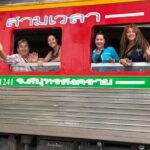
- The Death Railway train ride: where the story becomes physical
- Price at $83.68: what you’re paying for, and why it can be worth it
- Getting the most out of your day: simple habits that help
- Who should book this Bangkok to Kanchanaburi tour
- Should you book it?
- FAQ
- What time does the tour start?
- How long is the Bangkok to River Kwai day tour?
- Is round-trip transportation included?
- Is lunch included?
- Does the tour include the JEATH War Museum?
- Do I get to walk on the River Kwai Bridge?
- Is the Death Railway train ride included?
- How large is the group?
- What if the weather is bad?
Key highlights you’ll care about
- Early pickup from Bangkok with a 6:00am start and round-trip air-conditioned transport
- JEATH War Museum split into two sections: Death Railway construction recreations plus bamboo-hut quarters
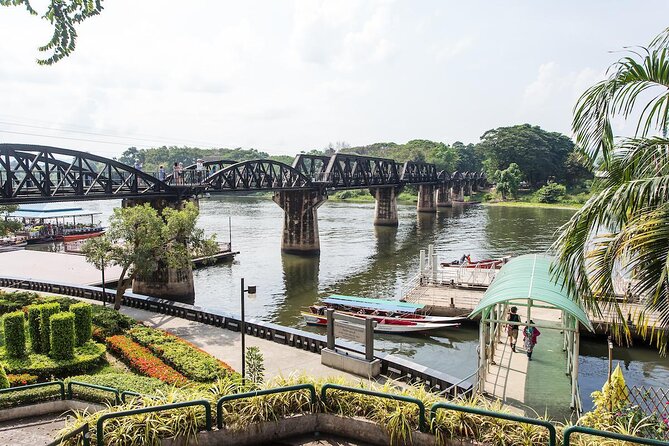
- Walk the River Kwai Bridge for a full hour, with time to take in the scale over the water
- Death Railway Museum and Research Centre added context around the Burma Railway
- Wang Po station buffet lunch served as you arrive by train-area logistics
- A train ride on the Death Railway route section that makes the story feel physical
A long Bangkok morning with a tight, guided flow
This tour is built for one thing: packing a meaningful WWII day trip into one nonstop rhythm. You start early in Bangkok, with pickup offered from various hotels. The stated start time is 6:00am, and it’s designed so you’re on the road before the city fully wakes up.
The benefit of a guided full-day format is simple—you don’t have to coordinate timing between distant sites, and you get an English-speaking guide traveling with you in an air-conditioned vehicle. The day also caps at 15 travelers, which matters. It’s easier to ask questions, and the group can move without constant stopping and restarting.
Your main tradeoff is fatigue. It’s about 13 hours total, so you’ll want to treat this like a hike day: comfortable shoes, water, and a calm mindset. If you’re the type who needs perfect, museum-at-a-time pacing, know that traffic can shift the exact feel of the day.
You can also read our reviews of more museum experiences in Bangkok

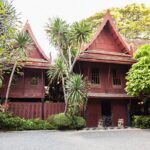
JEATH War Museum: POW-camp replicas and the choice to explain
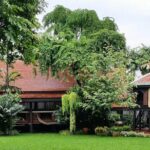
The JEATH War Museum is where the story goes from “name on a sign” to “place you can walk through.” The museum is split into two main parts. One focuses on the construction of the Death Railway and recreates the quarters associated with Allied POWs. The other section shows reconstructed bamboo huts.
What I like about this setup is that it gives you two angles at once. You see the rail effort and the day-to-day living spaces that were part of the POW experience. Even if you’re not a WWII expert, the museum structure helps you keep facts in place while you move through the material.
The main consideration here is upkeep and pacing. One review-style takeaway you should keep in mind: the JEATH Museum experience can feel like it needs more maintenance, and the flow can feel slightly rushed when the day runs behind due to road traffic. Also, English clarity can vary by guide, so if this topic matters a lot to you, it helps to arrive ready to listen and ask questions.
Practical tip: plan to spend your energy here. This is the stop where your brain does the most connecting.
River Kwai Bridge walk: the scale hits when you’re on it
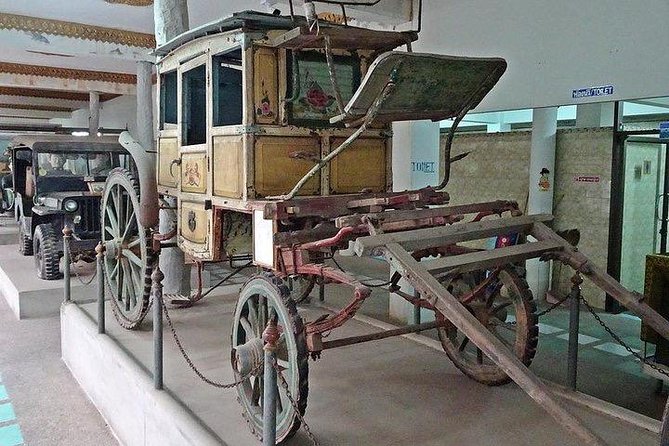
Then you get to the River Kwai Bridge—and instead of just viewing it from a distance, you walk on it for about an hour. That time matters. Bridges are easy to photograph but harder to understand until you’re physically moving along them.
On this stop, you’re essentially connecting three things: the river setting, the bridge engineering presence, and the WWII context of why Allied POW labor was tied to this kind of infrastructure. You’ll have admission included, so you don’t waste time figuring out logistics.
Drawback angle to keep in mind: bridge time is fixed at about one hour. If you want extra time for photos, slower reflection, or a few extra questions, you may feel a little time pressure—especially if the day is running behind.
But overall, walking the bridge is one of those “you get it instantly” moments. It’s not theoretical.
Death Railway Museum and Research Centre: turning scenes into context
Next is a visit to the Death Railway Museum and Research Centre. This stop is designed to expand what you saw earlier, connecting the Burma Railway to the broader picture of the Siam–Burma railway line and the scale of the project.
The value here is interpretation. The Death Railway story can feel like a cluster of facts unless someone puts it in sequence. With a guide, you’re more likely to understand what the rail line meant, who worked on it, and why the route became known by that grim name.
The main limitation is time: it’s about an hour. That’s enough to get a meaningful overview, but not enough if you want to read every panel carefully. If you’re the type who loves documents and details, be ready to skim and then focus on what catches your guide’s emphasis.
Tham Kra Sae Bridge and the cemetery stop: moving from structure to memory
You’ll also visit Tham Kra Sae Bridge, known locally in connection with the Death Railway name. This is one of those historic-feeling railway points where you can appreciate the engineering and the human story without needing extra theatrics.
The stop is listed as admission-free, but you still get about an hour. That hour can be used well if you treat it like a photo-and-meaning stop: look at the bridge structure, then connect it back to the POW-labor narrative you’ve been building all day.
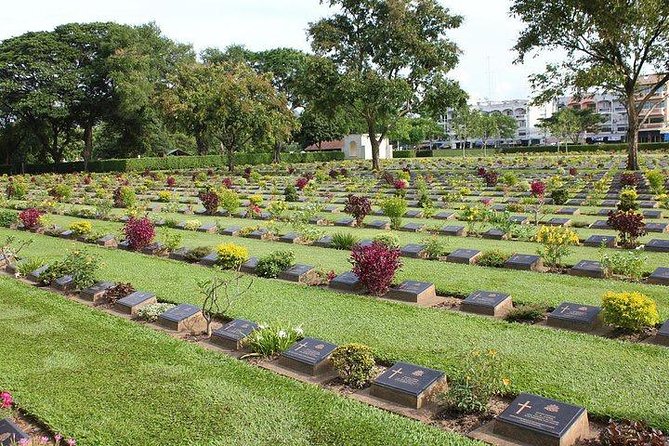
After that, the mood shifts at Kanchanaburi War Cemetery—also known locally as Don-Rak War Cemetery. This is described as the main POW cemetery for victims of Japanese imprisonment while building the Burma Railway, and it’s where approximately 9,000 Allied soldiers are laid to rest.
This cemetery stop is powerful because it’s not about spectacle. It’s about time and attention. Even if you don’t know the names behind every marker, the sheer scale (around 9,000) forces the reality of the project. Plan to slow down here. If you rush, you’ll miss what the stop is trying to do.
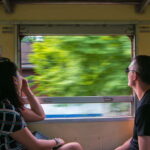

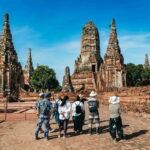
Wang Po station buffet lunch: a practical reset between sites
Lunch is served at Wang Po station, arriving by the tour’s route setup. It’s a buffet lunch, which is a real value for a full-day day trip because it avoids the problem of finding food while your timeline is already tight.
This is also a mental reset. After museum time and bridge time, you get to sit, eat, and reset your attention before the train segment. Buffet-style meals are often about speed and variety, and for this kind of tour, that balance matters.
Two practical thoughts: first, eat what you can quickly. Second, keep an eye on your timing when you finish, because the train ride segment tends to work like a momentum block. If you take forever to browse every side dish, you can end up stressed.
The Death Railway train ride: where the story becomes physical
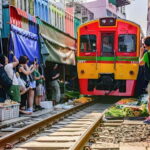
The headline experience here is the train journey along the Death Railway. This is the part that tends to make the whole day click, because it turns a WWII story into something you can feel.
Even if you’re sitting, not walking, you’re still moving through the same kind of corridor that once mattered for labor and transport. That matters emotionally. The route feels like it’s doing work for the narration.
The tour describes the train ride as “exhilarating,” which is a good word to take seriously. Expect it to feel like an actual ride, not a museum transport. You’ll want to dress for comfort and keep your belongings secure.
One more consideration: the day can run a bit shorter than expected depending on timing. If you find that the schedule feels compressed, the train ride is likely the anchor experience. Prioritize it mentally, and don’t expect every tiny detail to feel unhurried.
Price at $83.68: what you’re paying for, and why it can be worth it
At $83.68 per person, you’re paying for a full-day package: round-trip transfers, an English-speaking guide, an air-conditioned vehicle, lunch, museum admissions, the bridge walk time, and the train ride segment. For Bangkok-based day trips, that’s not an impulse-buy price—but it’s also not out of line if you treat it like a “transport + guiding + entrances + one major activity” bundle.
Here’s the value logic: the hardest part of this itinerary is distance and sequencing. The tour handles the travel time, the museum admissions, and the handoff between sites. If you tried to DIY it, you’d likely spend a lot of time figuring out schedules and creating your own pace, and you might still end up losing time to transport.
The main reason to doubt the deal is schedule risk. If traffic causes the day to feel rushed, you might wish for more time in one location. But that’s not a hidden cost—it’s part of any early-start long day from Bangkok to Kanchanaburi-area sites.
My take: this is a solid value if you want a guided, structured day. It’s less ideal if you want total control over how long you spend at each stop.
Getting the most out of your day: simple habits that help
This is a long day with a heavy theme. A few small choices will make it easier:
- Start the day early in spirit, not just on the clock. By late morning, you’ll feel the distance.
- Bring a light layer. Air-conditioning in vehicles can feel cold after outdoor stops.
- Keep your questions simple. When a guide like Oom or Rach is explaining, short follow-ups can help you connect the bridge, camps, museum scenes, and cemetery markers.
- At the cemetery, slow down on purpose. Let the scale land.
And one more thing: if your guide’s English is hard to catch at first, don’t give up. Let them finish the thought, then ask for clarification. The best moments on a tour often come from that back-and-forth.
Who should book this Bangkok to Kanchanaburi tour
This trip fits best if you want WWII history tied to real places and real movement. It’s also good if you don’t want the hassle of sorting transport across multiple sites far from Bangkok.
I’d especially recommend it for:
- People who like guided interpretation more than self-guided reading
- Anyone who wants the combination of museum + bridge walk + train ride + cemetery
- First-time visitors to the Kanchanaburi area who want a complete overview in one day
If you’re sensitive to long travel days, or you prefer slow, uncrowded sightseeing without tight timing, you might want a different format. This one is structured and driven by schedule.
Should you book it?
Yes, if you want a guided, value-packed full day where the main WWII themes are tied to the River Kwai Bridge, museum recreations, and an actual Death Railway train ride. It’s also a strong pick if you appreciate thoughtful context more than just photos.
Hold off if you’re expecting a leisurely pace or if you know you need very clear English narration throughout. The day can feel rushed when timing gets squeezed, and the museum environment may not feel perfectly maintained.
If you book, go in with the right mindset: this is a day that mixes facts, movement, and memory. You’ll leave with a better sense of how all those pieces connect.
FAQ
What time does the tour start?
The tour starts at 6:00am, with pickup from various hotels in Bangkok.
How long is the Bangkok to River Kwai day tour?
It’s listed as approximately 13 hours.
Is round-trip transportation included?
Yes. Round-trip transfers are included, and you travel by air-conditioned vehicle.
Is lunch included?
Yes. A buffet lunch is served at Wang Po station.
Does the tour include the JEATH War Museum?
Yes. Admission is included, and the museum experience is about 1 hour.
Do I get to walk on the River Kwai Bridge?
Yes. You’ll walk along the bridge for about 1 hour, and admission is included.
Is the Death Railway train ride included?
Yes. The tour includes a train journey along a section of the Death Railway.
How large is the group?
The group size is capped at a maximum of 15 travelers.
What if the weather is bad?
The tour requires good weather. If it’s canceled due to poor weather, you’ll be offered a different date or a full refund. Free cancellation is available up to 24 hours in advance for a full refund.