REVIEW · GRAND PALACE & TEMPLE TOURS
Bangkok: Grand Palace, Wat Pho, Wat Arun and Wat Sa Ket Tour
Book on GetYourGuide →Operated by DiscoverEase Tours · Bookable on GetYourGuide
First stop is a wow moment. This tour strings together four of Bangkok’s most important temples with smart pacing and real explanations, starting at the Grand Palace and ending on Wat Sa Ket’s Golden Mount views. I especially like how Wat Pho’s reclining Buddha is paired with the story of Thai massage, and I love the photo-worthy contrast of Wat Arun’s riverside pagoda. One thing to keep in mind: it’s a long day, and if the group spends extra time on photos, the schedule can feel a bit stop-and-go.
What makes this route work is the flow. You’re not just moving from landmark to landmark—you’re getting the why behind the gold, the spires, the rituals, and the rules. Guides like CK, Sunday, Eve, Betty, Jirapa Mam, and Fighter come up in comments again and again for clear explanations and helping people get good photos without losing the meaning. The main trade-off is that entry to the temples is not included, and you’ll need to follow a strict dress code.
In This Review
- Key highlights worth getting excited about
- A smart way to see Bangkok temples in one day
- Price and value: what you’re really paying for
- What to expect before you go: rules, time, and the “long day” reality
- Stop 1: Grand Palace and Wat Phra Kaew (the royal entrance)
- Stop 2: Wat Pho and the Reclining Buddha (and Thai massage roots)
- Stop 3: Lunch break (a timer check before the river temples)
- Stop 4: Wat Arun across the Chao Phraya (Temple of Dawn)
- Stop 5: Wat Sa Ket Golden Mount (panoramas with a calmer feel)
- The guide makes or breaks the day (and this one is praised a lot)
- Transportation, bottled water, and how it helps you stay present
- Who this tour is best for (and who might be happier elsewhere)
- Photo and timing reality check (so you don’t feel rushed)
- Should you book this Bangkok temples tour?
- FAQ
- How long is the Bangkok temples tour?
- What does the tour price include?
- Are temple entry fees included?
- Is the tour guided in English?
- What should I wear for temple visits?
- Is the tour suitable for wheelchair users or mobility impairments?
Key highlights worth getting excited about
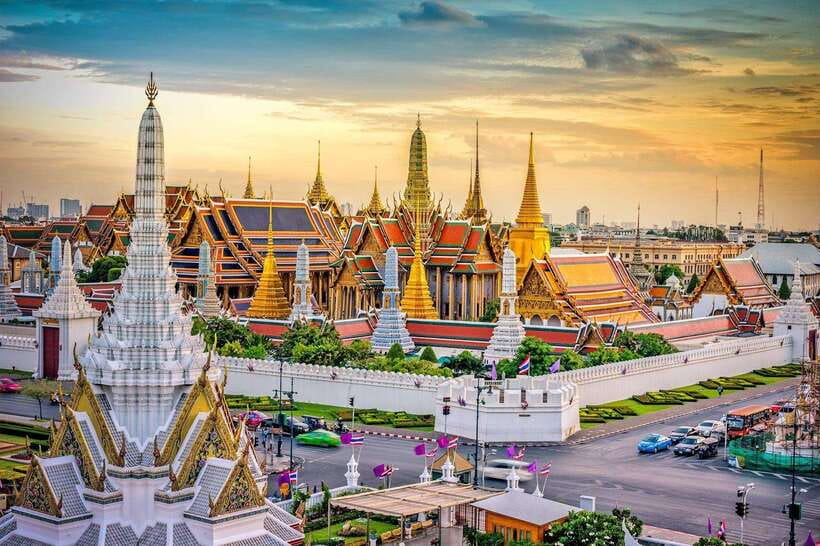
- Grand Palace + Wat Phra Kaew context so you know what you’re actually looking at
- Wat Pho’s reclining Buddha and Thai massage roots in the same stop
- Wat Arun’s riverside views plus the chance to climb the central prang
- Golden Mount panoramas at Wat Sa Ket with winding steps and quieter vibes
- English live guide who keeps the day moving and answers questions as you go
A smart way to see Bangkok temples in one day
Bangkok’s temples can feel like visual overload if you show up alone. One minute you’re admiring mosaics, the next minute you’re guessing what building you’re in. This kind of guided loop helps you connect the dots fast, because each stop has a different role in the city’s religious and royal story.
The route also makes practical sense. You start with the most famous royal complex (Grand Palace and Wat Phra Kaew), then you head to Wat Pho, cross to Wat Arun by the river, and finish with Wat Sa Ket’s Golden Mount, which gives you a breather and a big-picture view of Bangkok.
And yes, it’s a full day: about 7 to 7.5 hours. You’ll likely do more walking than you expect, especially because Wat Arun and Wat Sa Ket involve climbs. I’d plan for comfortable shoes and a little patience with heat.
You can also read our reviews of more tours and experiences in Bangkok.
Price and value: what you’re really paying for
The tour price is listed at $37 per person, and that’s why this is a strong value for many people. You’re getting: a live English guide, transportation, bottled water, and lunch.
What’s not included is the entry fees for the Grand Palace, Wat Pho, Wat Arun, and Wat Sa Ket. That’s the one “gotcha” to budget for. Still, even with separate entry costs, you’re essentially buying two big things: (1) a guide who helps you interpret what you see and (2) a planned day that saves you time figuring out routes, crossings, and which spots are worth your minutes.
If you’re the type who likes to understand the meaning behind the walls, towers, and statues, you’ll feel like this price makes sense. If you just want a checklist of photos and don’t care why anything matters, you might resent the time spent in a guided format.
What to expect before you go: rules, time, and the “long day” reality
There’s a clear dress code for temple entry: no shorts, no short skirts, and no sleeveless shirts. This matters because getting it wrong can slow you down at the gate or force you into last-minute fixes.
Also, this tour is not suitable for people with mobility impairments and not for wheelchair users. The climbs at Wat Arun and Wat Sa Ket are a big clue why. Even if you’re able-bodied, you should still expect stairs, uneven areas, and long stretches of walking.
Finally, note the rhythm of the day. The itinerary is structured, but some comments mention the group having plenty of photo stops. That doesn’t mean it’s a bad tour—it means you should be ready for the day to feel like a mix of walking, viewpoints, and guided stops. I’d treat it like a guided sightseeing day, not a sprint.
Stop 1: Grand Palace and Wat Phra Kaew (the royal entrance)
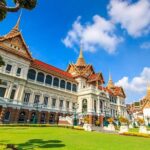
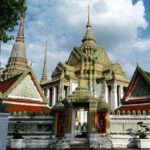
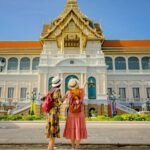
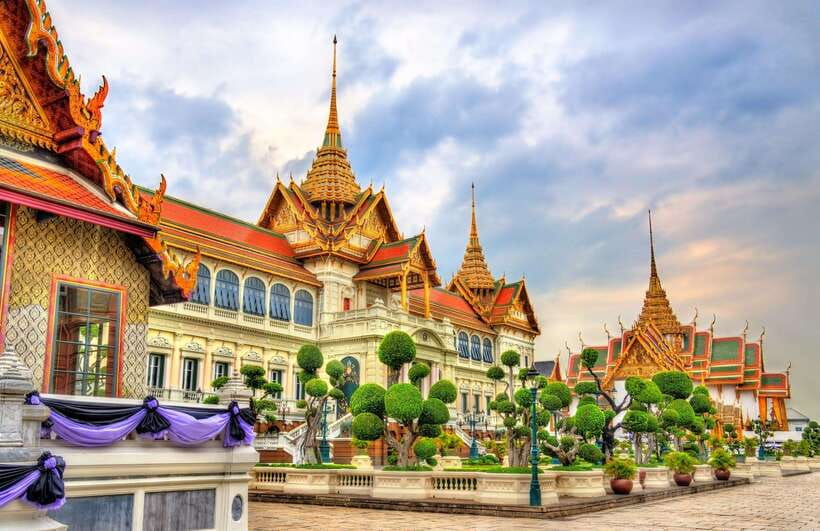
The day starts at the Grand Palace area with a guided visit to Wat Phra Kaew (the Emerald Buddha temple inside the palace complex). Expect this portion to take around 2 hours.
Why this is a great first stop: it gives you the royal context for everything else you’ll see. The Grand Palace is famous, but the value of going with a guide is that you don’t just admire details—you understand what the complex represents in Thailand’s kingdom history.
Practical tip: arrive with a calm mindset. This is a busy, high-energy place, and lines and crowds are part of the experience. Your guide’s job is to keep you from wandering in confusion, and from missing the key areas that connect back to Wat Phra Kaew and the Emerald Buddha.
What could bother you here? If you’re sensitive to crowds or you hate waiting, this first major site can feel intense. But it also sets the tone for the rest of the day.
Stop 2: Wat Pho and the Reclining Buddha (and Thai massage roots)
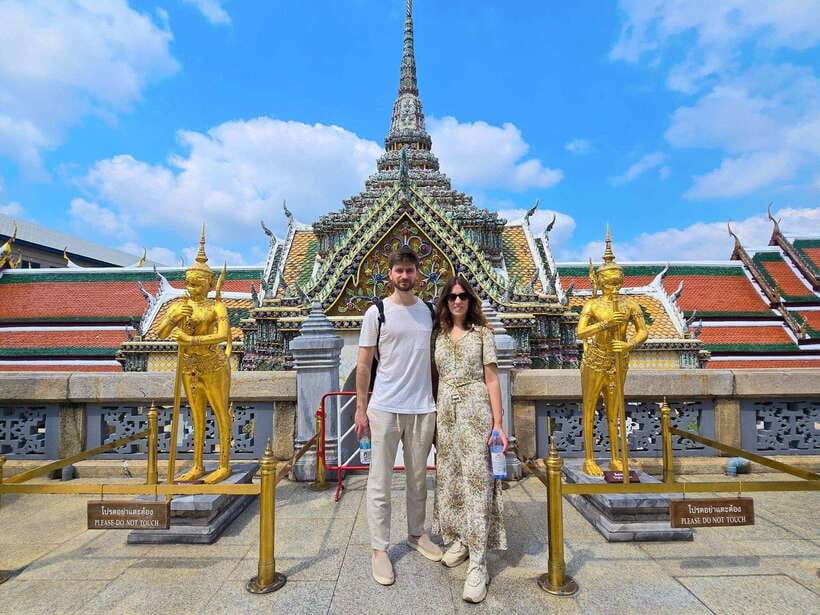
Next is Wat Pho, with about 1.5 hours of guided time.
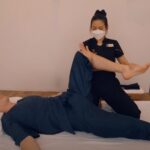
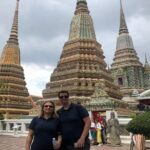
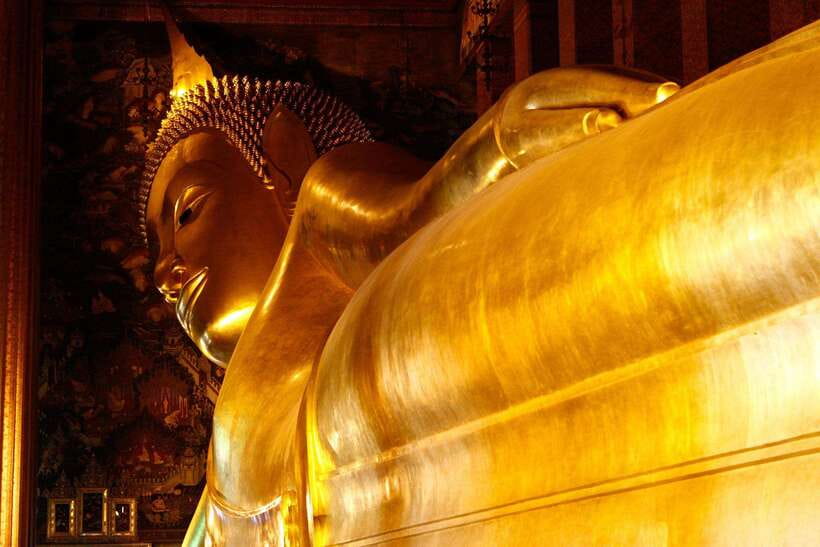
Wat Pho is the temple that brings you down from “royal grandeur” to something more grounded and human-scale—still monumental, but connected to daily practice. The headline is the 46-meter Reclining Buddha, which is frankly hard to get your head around in the best way. The other big reason this stop matters is that Wat Pho is described as the birthplace of traditional Thai massage.
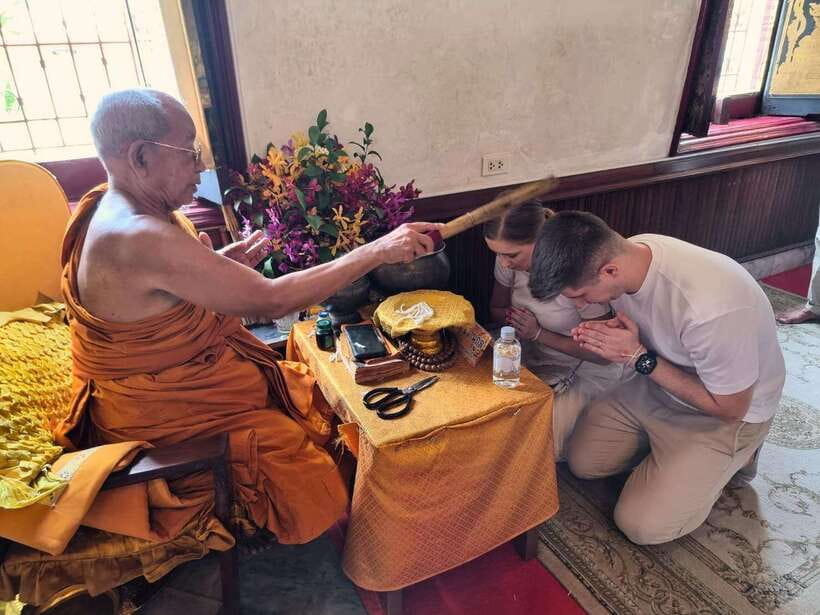
With a good guide, you’ll hear how Thai massage developed and how it fits into Buddhist spiritual ideas around healing and wellbeing. Some guides even shape the visit with small ritual moments and participation-style experiences, not just lectures.
A practical note: Wat Pho is a walking-and-stopping temple. You’ll want time to look up and around, because the details matter. If you’re trying to rush, you’ll miss the parts that make this stop feel different from the other temples.
Stop 3: Lunch break (a timer check before the river temples)
Lunch is built into the middle of the schedule for about 1 hour.
This is one of the places where your timing instincts kick in. The day is long, and the lunch block is part of maintaining energy for the later climbs and viewpoints. Some comments point out that if the group gets delayed, lunch timing can get tight, even if the team works to fix it quickly.
So here’s my advice: treat lunch as your reset button. Use it to rehydrate, apply sun protection, and confirm you’re ready for the next two temple stops.
Stop 4: Wat Arun across the Chao Phraya (Temple of Dawn)
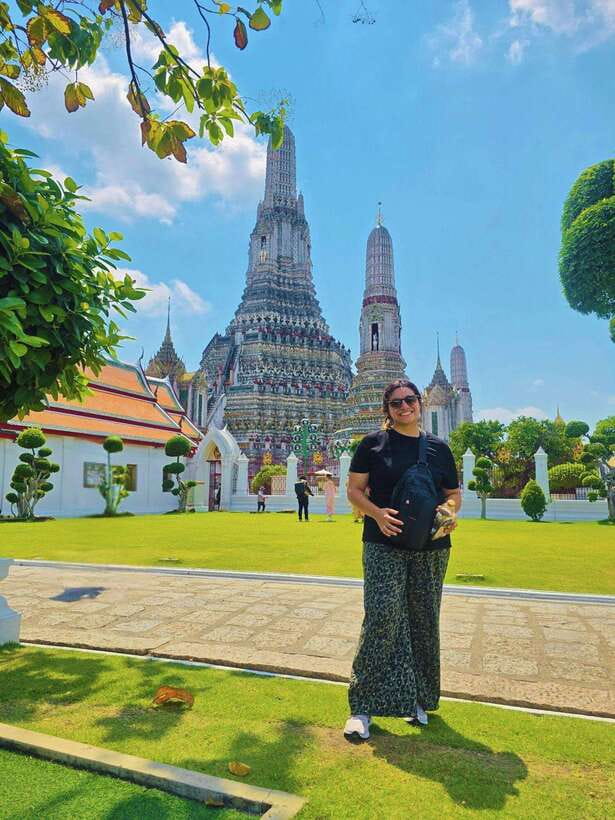
After lunch, you cross the Chao Phraya River to Wat Arun, with around 1 hour of guided time.
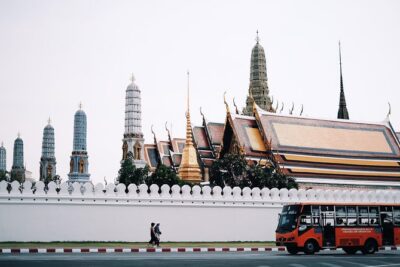
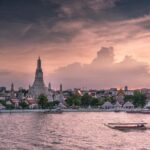
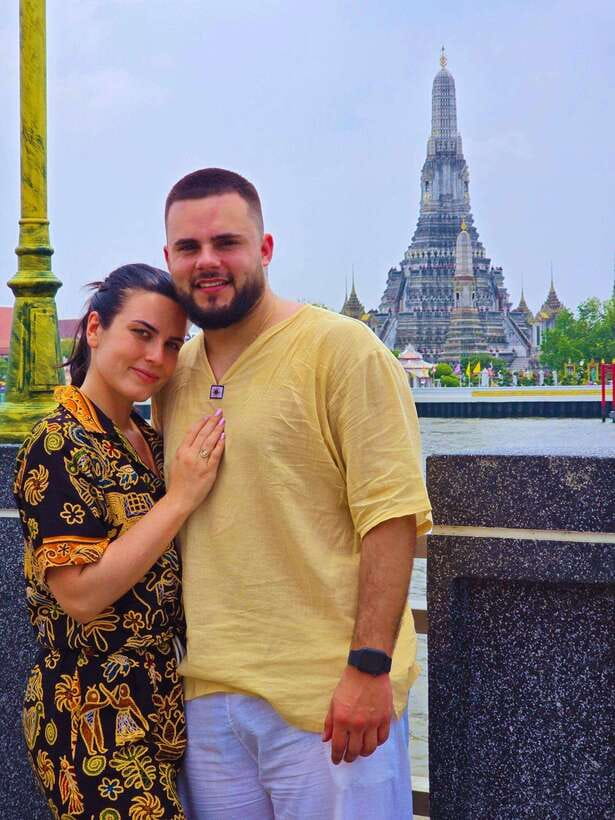
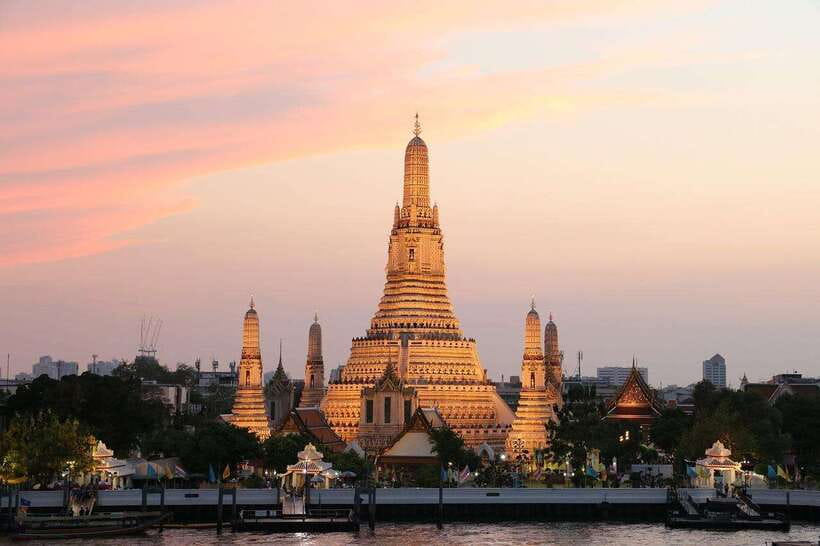
Wat Arun is the temple that looks different from every angle. It’s known for its towering spires and the colorful ceramic-and-porcelain decoration that makes the architecture feel almost playful, even though it’s deeply sacred. The “Temple of Dawn” name isn’t just poetic—it comes from the way light and river atmosphere change how the temple reads.
The big practical moment here is that you can climb the central prang for panoramic views over the river and city. That climb is also the reason this tour isn’t for wheelchair users or those with mobility limitations.
What I like about having this stop guided is the context. A guide can point out what you’re seeing on the facades, and why the structure is shaped the way it is. Otherwise, you can end up stuck in photo mode and miss the architecture story.
Potential drawback: you’ll be exposed to sun and wind near the river. Bring water habits in your head. If you run hot, this is where you notice it.
Stop 5: Wat Sa Ket Golden Mount (panoramas with a calmer feel)
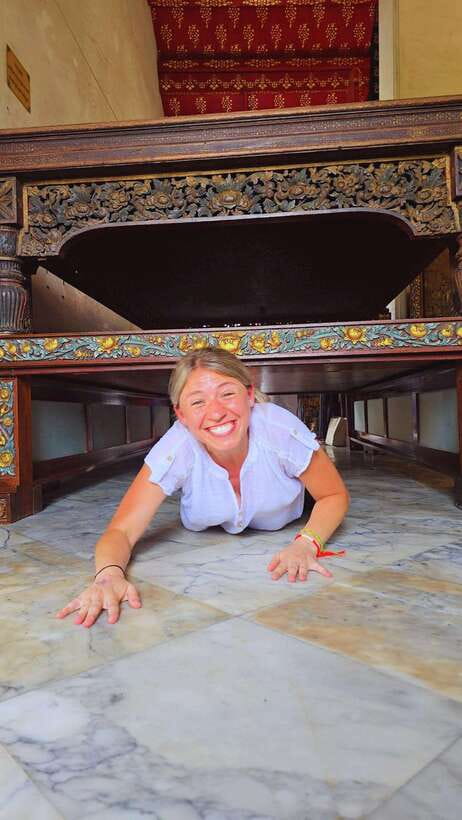
Your final temple stop is Wat Sa Ket (The Golden Mount), also about 1 hour guided time.
This is a nice closing choice because it feels calmer than the heavy hitters earlier in the day. Wat Sa Ket’s big moment is climbing the winding steps to the Golden Mount area for panoramic views across Bangkok. Even if you’re tired, the climb feels like a payoff: the higher you go, the more the city starts to look like a map.
I also like the way this ending stop changes the mood. Grand Palace and Wat Pho bring you royal and ritual weight. Wat Arun is architecture drama. Wat Sa Ket is the view + reflection finish.
Since this includes steps, be honest about your physical limits. If you can’t climb stairs comfortably, you may prefer a different tour format.
The guide makes or breaks the day (and this one is praised a lot)
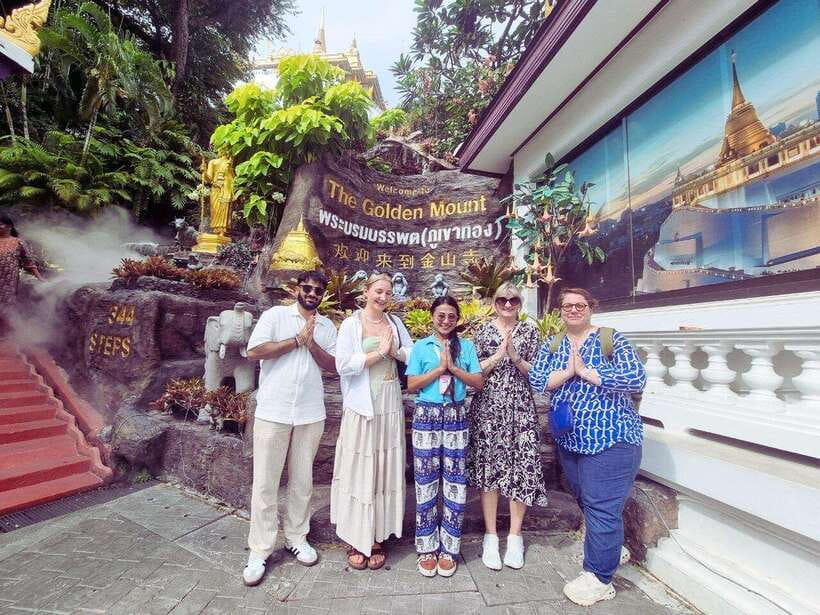
The tour is led by a live English guide, and the strongest pattern in feedback is consistency: guides explain clearly, keep the group together, and help you make the most of photo opportunities without turning the whole day into an endless snapshot session.
Names that show up with high praise include:
- CK (praised for humor, history context, and great photo spots)
- Sunday (praised for clear explanations and kindness)
- Eve (praised for patience and making the day feel fun, not just educational)
- Betty (praised for engaging cultural explanations and practical help after the tour)
- Jirapa Mam (praised for caring attention and accommodations to help solo travelers)
- Fighter and Tack (praised for professionalism and historical storytelling)
Even if you don’t know which guide you’ll get, this matters: you’re not walking through temples alone. You’re getting someone to translate what’s in front of you into everyday meaning—architecture, religious purpose, and local rules.
Transportation, bottled water, and how it helps you stay present
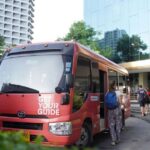
Transportation is included, and it matters more than you think. Bangkok traffic can be unpredictable, and the temple route is complicated enough that you don’t want to build the logistics yourself.
Bottled water is also included, and that’s a real quality-of-life detail in Thailand. When your day includes river crossing and stair climbs, water access isn’t “nice”—it’s part of having a good experience.
Hotel pickup is offered if you choose that option, and drop-off happens at selected areas near the end of the tour. Meeting points can vary based on what option you select, so your best move is to confirm your exact pickup location in your booking details.
Who this tour is best for (and who might be happier elsewhere)
This tour is a great match if you:
- Want to see all four major temples in one day
- Like a guide who gives context, not just directions
- Want the convenience of transport + lunch + water
- Are okay with a long day and fairly active walking
It’s likely not your best choice if you:
- Need wheelchair access or have mobility limitations (this is not suitable)
- Hate crowds or want a quiet, slow temple pace
- Are sensitive to heat and sun and don’t plan to prepare
If you’re traveling with kids, this can still work, but you’d want to manage expectations about the long day and dress code.
Photo and timing reality check (so you don’t feel rushed)
A few comments mention that there can be a lot of time spent stopping for photos. That’s not automatically bad—Bangkok temples are made for photos—but it does mean the tour may feel less like “maximum viewing time” and more like “maximum moments.”
Here’s how to make it work for you:
- Show up early for pickup.
- When your guide suggests a viewpoint, commit instead of waiting to be convinced.
- If you have must-see spots inside a temple, tell your guide so they can keep you oriented.
If you’re the type who just wants to get in, look, and move on fast, you might wish for slightly more strict time control. If you enjoy slowing down to see and understand, the pacing is often a win.
Should you book this Bangkok temples tour?
I’d book it if you want a guided day covering the big-name temples in a route that makes sense: Grand Palace to Wat Pho to Wat Arun to Wat Sa Ket. The value is strongest when you care about context, because entry fees are extra and the “product” you’re buying is mainly guide-led meaning plus the convenience of transport and lunch.
I wouldn’t book it if you can’t handle stair climbs, or if you’re hoping for a light, short, low-effort experience. Also, set your expectations about dress code and sun.
If you do go, pack water discipline, respectful temple clothing, and a flexible attitude about photo stops. You’ll come away with a better sense of how Bangkok’s spiritual landmarks connect—and you’ll have your best views timed right.
FAQ
How long is the Bangkok temples tour?
It runs about 7 to 7.5 hours. Starting times vary, so you’ll want to check availability for the specific departure you pick.
What does the tour price include?
The price includes a local guide, transportation, lunch, and bottled water. Hotel pickup and drop-off are included only if you select the option that offers it.
Are temple entry fees included?
No. Entry fees for the Grand Palace, Wat Pho, Wat Arun, and Wat Sa Ket are not included.
Is the tour guided in English?
Yes. The tour includes a live English-speaking guide.
What should I wear for temple visits?
You can’t wear shorts, short skirts, or sleeveless shirts. Plan clothing that covers appropriately for temple entry.
Is the tour suitable for wheelchair users or mobility impairments?
No. It is not suitable for wheelchair users or people with mobility impairments.