REVIEW · TUK-TUK TOURS
2 Hours TukTuk Adventure Bangkok Highlights
Book on Viator →Operated by Hidden Bangkok Tours · Bookable on Viator
A tuk-tuk tour in Bangkok is pure energy. You get a tight 2-hour loop that hits major sights and photo moments without the stress of figuring out routes or bargaining with drivers. I love that it’s built for speed: most stops are viewed from the outside so you can enjoy the city instead of losing time in traffic.
What really made this tour feel worth it to me is the mix of landmarks and local texture. You pass the Grand Palace / Wat Phra Kaew area, then you’ll also get quick looks at Loha Prasat (Metal Castle), the Giant Swing, Pak Khlong Talad flower market, and Chinatown around Yaowarat.
The one downside to expect is simple: if you’re hoping for full, inside temple time at the Grand Palace or Wat Pho, this isn’t that kind of schedule. It’s designed to keep things moving, so you’ll mainly see these places from the streets and viewpoints.
In This Review
- Key points before you ride
- Why a 2-hour tuk-tuk route works in Bangkok
- Starting at Sanam Chai and ending near MRT Blue Line
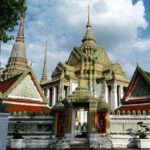
- Grand Palace, Wat Pho zone, and the Emerald Buddha area (outside views)
- Wat Arun across the river: how the photo stop changes the day
- Loha Prasat (Metal Castle): iron spires and fewer crowds
- Giant Swing (Sao Ching Cha): Bangkok’s ritual symbol
- Pak Khlong Talat 24-hour Flower Market: scent, color, and local life
- Chinatown (Yaowarat) after your ride: where to go next
- Price and value: is $30.92 for 2 hours a good deal?
- Group size, guides, and the “little things” that matter
- Who should book this tuk-tuk adventure (and who should skip it)
- Should you book 2 Hours TukTuk Adventure Bangkok Highlights?
- FAQ
- How long is the tuk-tuk tour?
- How much does the tour cost?
- What time does the tour start?
- Where do I meet the tour?
- Where does the tour end?
- Is food included?
- Are tips included?
- What’s included besides the tuk-tuk ride?
- Which major places do you pass or stop for?
- Is there a limit on group size?
- Can I cancel for free?
Key points before you ride
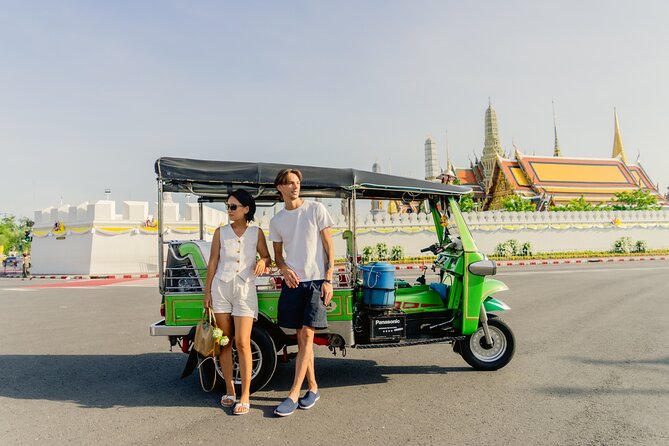
- 2 hours, many highlights: a fast hit list across Old Town, river views, and Chinatown.
- Outside-view strategy: less time waiting, more time seeing and photographing.
- Photo stop across the Chao Phraya: you get Wat Arun from the river side.
- Pak Khlong Talad stop: step into Bangkok’s famous flower market atmosphere.
- End near Chinatown transit: finish close to Wat Mangkon Station (MRT Blue Line) so you can keep exploring.
Why a 2-hour tuk-tuk route works in Bangkok
Bangkok can be a lot. Streets are busy, distances can surprise you, and it’s easy to waste your best energy on logistics. A 2-hour tuk-tuk loop is a smart answer when you want iconic sights plus street-level Bangkok without turning your day into a transport project.
This tour’s design is practical: it’s timed to keep you moving through the areas that matter most for a first visit. The guide also helps you connect dots—where Thai religious landmarks fit into everyday life, and how markets and old neighborhoods shape the city’s rhythms.
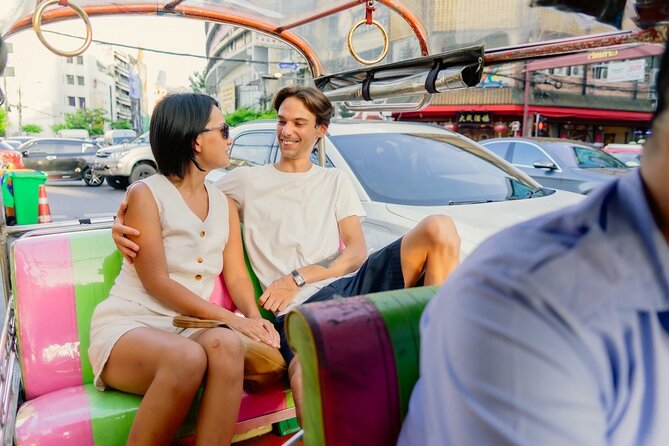
And yes, you still get that tuk-tuk feeling: colorful streets, local energy, and a guide steering you away from guesswork. It’s the kind of outing where you come away with better bearings and a short list of what you want to return to later.
You can also read our reviews of more tours and experiences in Bangkok

Starting at Sanam Chai and ending near MRT Blue Line

Your day begins at a meeting point in the Sanam Chai area (near the Thai bridge area on Phra Pok Klao Road). Starting here is convenient because it places you close to Old Town and the river-side roads that funnel you toward the Grand Palace and Wat Pho zone.
You’ll finish at Wat Mangkon (near the Wat Mangkon MRT station on the Blue Line). That matters more than it sounds. When a tour drops you deep inside traffic, you can burn time just getting out. Here, you can hop on the MRT to reach your hotel or your next stop with less hassle.
Also, the tour uses a mobile ticket, which is one less thing to worry about on the day. With a start time of 11:00 am, plan for midday city movement and keep your water close.
Grand Palace, Wat Pho zone, and the Emerald Buddha area (outside views)
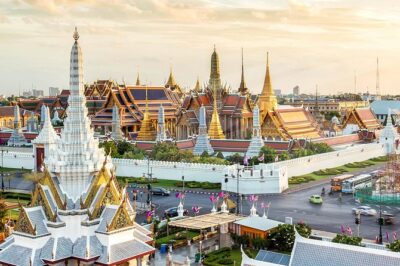
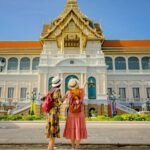
The Grand Palace complex is the headline in Bangkok. Even if you’ve seen photos, the scale and detail hit differently when you’re actually nearby. This tour focuses on a quick, high-impact look at the Grand Palace and Wat Phra Kaew area, home to the Emerald Buddha Temple.
In a perfect world, you’d spend hours inside. This tour isn’t that day. Instead, you’ll get outside viewing that keeps the experience fun and traffic-light. You’re still seeing the visual identity of the place—the architecture and the sacred landmark atmosphere—without the long time sinks that come with temple entry and crowds.
You’ll also pass the Wat Pho area, since it’s one of those must-sees that pairs naturally with the Grand Palace zone. For me, the value here is context: you’ll understand why so many first-timers route themselves through this part of Bangkok.
If you want more temple time later, this tour can act like a sampler. You’ll spot what draws you in, then decide whether you want a separate day for deeper entry.
Wat Arun across the river: how the photo stop changes the day
One of the best “you’re really in Bangkok” moments is the river view. This tour includes a photo stop where you can see Wat Arun from across the Chao Phraya River.
That matters because Wat Arun is easy to misunderstand if you only see it from one side. Seeing it from the river gives you the landmark proportions and the way it sits in the city’s geography. It’s also a calmer visual break in the middle of a land-focused Old Town route.
Practical tip: when you’re taking photos at river-side viewpoints, go easy on your phone battery. You’ll likely be snapping from multiple angles across the short photo window.
Loha Prasat (Metal Castle): iron spires and fewer crowds
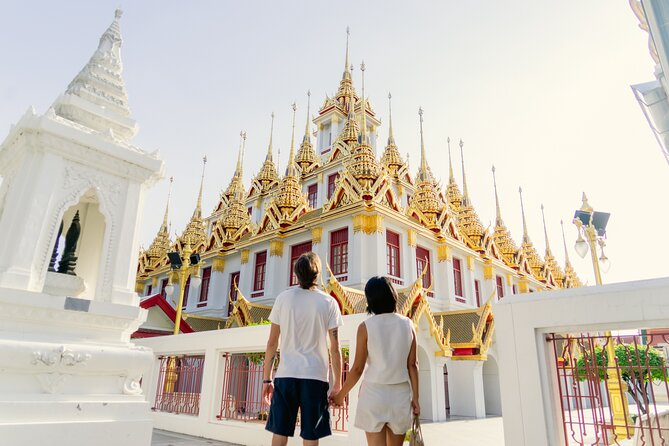
After the big-ticket landmarks, this tour slows down just enough to include a sight that many people miss. Loha Prasat, also known as the Metal Castle, is a rare multi-tiered temple with distinctive iron spires within the Wat Ratchanatdaram area.
What I like about including Loha Prasat in a short tuk-tuk schedule is the contrast. The Grand Palace is grand and formal; Loha Prasat feels more unusual and architectural. The spires are the visual hook—once you see them, you’ll remember this stop long after you’ve forgotten the street address of everything else.
Because the tour keeps time tight, you shouldn’t expect a long, slow soak in temple details. But the upside is that you still get a sense of Bangkok’s variety: not only royal landmarks, but also structures that reflect different religious design traditions.
If you’re the kind of traveler who likes “I didn’t expect to see that” moments, this is where the tour earns points.
Giant Swing (Sao Ching Cha): Bangkok’s ritual symbol
Next up is the Giant Swing (Sao Ching Cha), an iconic monument in Old Town and a symbol tied to traditional Thai ritual life. It’s also a classic photo spot, which is useful because it gives you a clear target while you’re riding through busy streets.
I appreciate how this stop grounds you in Thai cultural meaning, not just architecture. Big landmarks in Bangkok often connect to ceremonies and long-standing beliefs. Even when you only see them briefly, a quick explanation helps you understand what you’re looking at.
A small caution: photo spots can mean waiting briefly, especially if other groups are also doing the same fast stop. The tour’s overall plan is designed to reduce time wasted, so you’ll likely keep moving even if the area has short pockets of crowding.
Pak Khlong Talat 24-hour Flower Market: scent, color, and local life
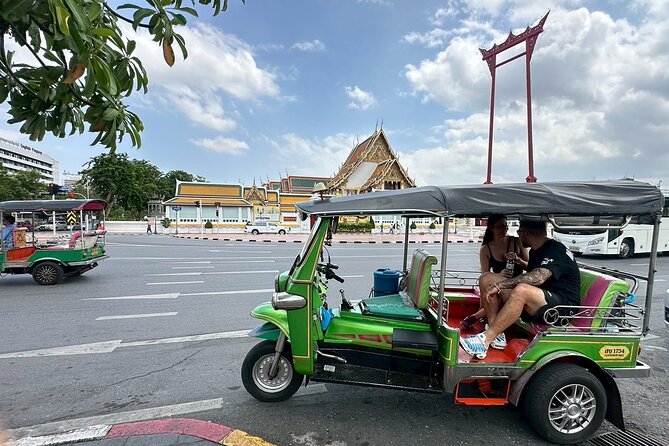
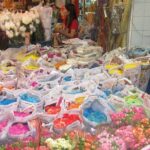
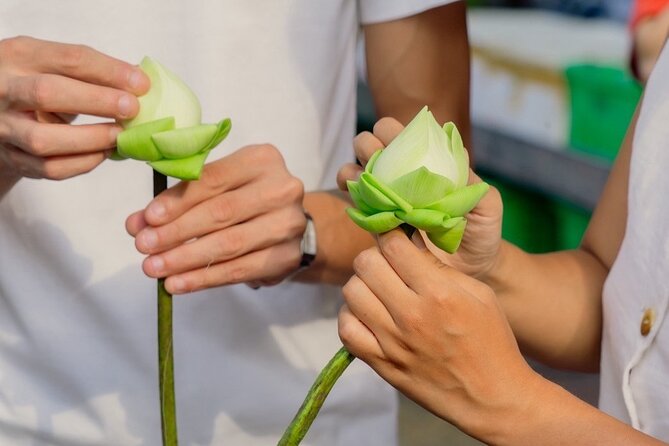
Then you hit Pak Khlong Talat, Bangkok’s famous flower market that runs around the clock. This is one of the most sensory stops on the route: fresh flowers, stalls, and the kind of everyday commerce that makes Bangkok feel like Bangkok.
The best part of this stop in a tuk-tuk tour is that you don’t need to map it yourself. You arrive at the right time window within the schedule, and your guide frames what you’re seeing so it’s not just a pretty detour.
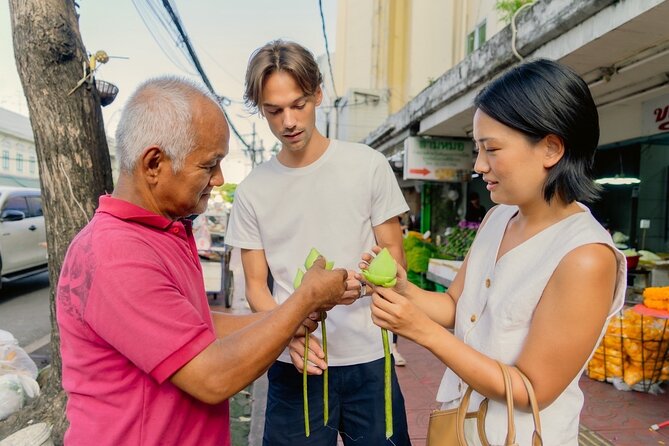
One review detail that stands out: the guide experience here can go beyond pointing. On at least one tour, the guide shared a flower lesson and even handed out a flower wristband as a small souvenir. If you get a guide who likes doing these little extras, it can turn a quick market look into something memorable.
If you’re thinking about photos: aim for close shots of flower textures and colors. The market can look busy from far away, but close-ups often come out better and tell a more human story.
Also, since food isn’t included, this stop is a good point to decide what you want for later. You’ll be near a market zone and Chinatown afterward, so you can keep your appetite flexible.
Chinatown (Yaowarat) after your ride: where to go next
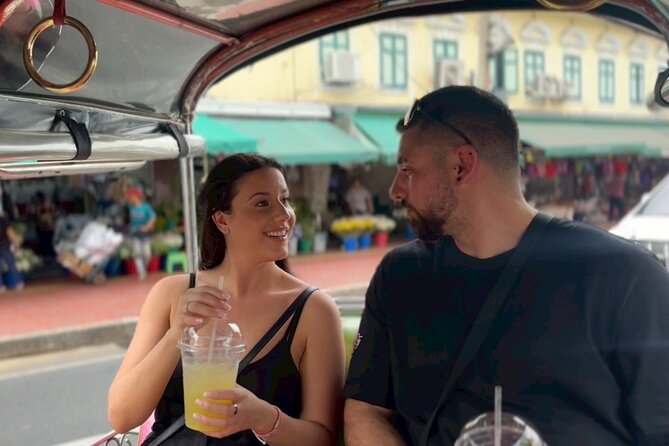
The tour ends in Chinatown areas around Yaowarat, famous for street food and gold shops, with traditional Chinese temples also in the mix. Chinatown is one of those places where walking even 5 minutes feels like a new scene.
Even though the tour is short, you’ll leave with a sense of how the neighborhood is organized—markets, shopfronts, and temple presence side by side. It’s a great follow-up to the market stop earlier. You’re basically moving from flowers to food and commerce.
And because you end near Wat Mangkon Station, you’re not stuck. If Chinatown energy is too intense at a certain point, you can take the MRT to recover, or you can stay and explore food stalls and shops longer.
Price and value: is $30.92 for 2 hours a good deal?
At $30.92 per person for about 2 hours, the value comes from what’s included plus what you avoid.
You’re not just paying for a tuk-tuk ride. You get:
- a licensed English-speaking guide
- bottled water
- travel insurance
- the guided route that strings together Grand Palace zone sights, Loha Prasat, Giant Swing, Pak Khlong Talat, and Chinatown
The part you’re really buying is time and confidence. When you’re in a city where directions can be tricky, a guide who knows the flow saves you from dead ends and wasted minutes. And since this schedule keeps sights mostly outside-view, you’re less likely to run late or lose your day to ticket lines.
This isn’t a budget miracle tour that replaces a full temple day. It’s a smart intro experience. If you want one strong afternoon orientation across Old Town and Chinatown, the price makes sense.
If you want inside access and long temple visits, you’ll likely spend extra time and money doing that separately. This tour is best as the first “taste,” not the whole meal.
Group size, guides, and the “little things” that matter
The tour caps at 30 travelers, which is a sweet spot. Too small can feel cramped; too large can slow stops down. With this group size, you can usually keep together without feeling like you’re part of a moving crowd that stops every two minutes.
About the guides: one standout theme from reviews is how much energy guides bring. The name Betty comes up in a five-star review tied to the tuk-tuk experience being unforgettable through small touches—like a flower lesson and a flower wristband at the market, plus a stop for local delicacies. Even when the core schedule is the same, these little moments are what can turn a standard highlight ride into something personal.
So, if you care about the human side of a tour—stories, humor, and practical context—this is the right style of tour for you.
Who should book this tuk-tuk adventure (and who should skip it)
This tour fits best if:
- you’re visiting Bangkok for the first time and want major highlights in a short window
- you don’t want to negotiate rides or plan routes under time pressure
- you like guides who explain what you’re seeing as you move through different neighborhoods
- you want an easy start point for later exploration in Chinatown
Skip it if:
- you want long temple entry time and slow sightseeing inside the Grand Palace / Wat Pho areas
- you prefer a tour that stays strictly to one district with deeper walking time
- you’re sensitive to the idea that many key sights will be outside viewing
Should you book 2 Hours TukTuk Adventure Bangkok Highlights?
I’d book it if you want an efficient, fun introduction to Bangkok’s icons and local markets—without turning your schedule into a maze. The outside-view format is exactly what makes it work: you get the feeling of the Grand Palace zone, the unusual architecture of Loha Prasat, the landmark identity of Giant Swing, the sensory hit of Pak Khlong Talat, and then Chinatown as your landing point.
I wouldn’t book it if you’re trying to check off temples as if it’s a self-guided marathon. This tour is more about direction, context, and photo-worthy highlights than about deep entry time.
If your goal is to get your bearings fast and leave with a clear sense of what to revisit, this is a strong value for the money.
FAQ
How long is the tuk-tuk tour?
It runs for about 2 hours.
How much does the tour cost?
The price is $30.92 per person.
What time does the tour start?
The start time is 11:00 am.
Where do I meet the tour?
The meeting point is in the Sanam Chai area (near Thai bridge on Phra Pok Klao Road), in Khlong San District.
Where does the tour end?
The tour ends near Wat Mangkon Station on the MRT Blue Line, in Chinatown.
Is food included?
No, food is not included.
Are tips included?
Tips are not included.
What’s included besides the tuk-tuk ride?
Included are a licensed English-speaking tour guide, bottled water, and travel insurance.
Which major places do you pass or stop for?
You’ll see the Grand Palace area (Wat Phra Kaew), Wat Pho zone, a Wat Arun photo view across the Chao Phraya River, Loha Prasat (Metal Castle), Giant Swing, Pak Khlong Talat flower market, and Chinatown (Yaowarat).
Is there a limit on group size?
Yes. The maximum group size is 30 travelers.
Can I cancel for free?
Free cancellation is available up to 24 hours before the experience starts for a full refund.