REVIEW · BANGKOK
Bangkok: Must things to see in China town, Small group
Book on GetYourGuide →Operated by LJ Tour Cultural and Soft Adventure Tours · Bookable on GetYourGuide
Chinatown has a second face—walk it with a guide. I like that this tour steers you to Sampeng Market and off-the-main-path temple stops, not just the obvious storefronts. I also love the food rhythm: snack and coffee breaks plus a local lunch so you’re learning while you’re eating.
One thing to plan for: the temple stop includes steep stairs, and you’ll want good grip shoes and careful steps. If you’re sensitive to steps, this is the part that needs your attention.
In This Review
- Key reasons this Chinatown tour works
- Tang Hua Pug Building to Hualampong: starting the walk the easy way
- Colorful streets and narrow lanes where the Thai-Chinese story shows up
- Sampeng Market: a shopping maze you can actually handle
- The hidden temple and the viewpoint stop (with a real stairs warning)
- Food stops that pace the walk: snack, coffee, tastings, and local lunch
- Photo stops, shopping time, and brief scenic pauses
- Café break: a trendy pause inside a historic maze
- Price and value: what you really get for about $41
- Practical tips so you don’t trip up (or dress wrong)
- Who should book this Chinatown walk?
- Should you book? My take
- FAQ
- How long is the Chinatown walking tour?
- Where is the meeting point?
- What is the total walking distance?
- Is the route mostly flat?
- What does the tour include?
- What is not included?
- Do I need to dress a certain way since temples are included?
- Is the tour accessible for wheelchair users?
- Is there a rainy-season tip?
- Are there any age or pregnancy restrictions?
Key reasons this Chinatown tour works
- 15+ Chinatown stops in 3.5 hours, with a guide who keeps the route moving (and makes it make sense).
- Sampeng Market time in the maze of lanes, where you’ll see everyday goods and how locals shop.
- Secret temple and a viewpoint that add surprise value beyond photos of street signs.
- Food samples + coffee + local lunch, so you get a full taste of Thai-Chinese street life.
- Flat walking for most of the route, with one exception at the temple stairs.
Tang Hua Pug Building to Hualampong: starting the walk the easy way
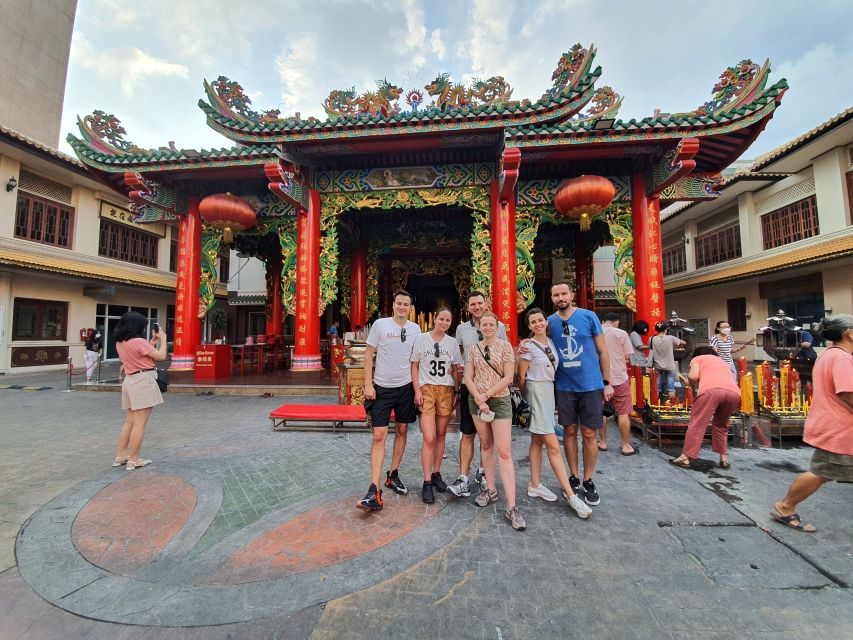
Your tour starts at the Tang Hua Pug Building, after you meet at MRT Hualampong Exit 1. The guide wears an Eatwalktalktour shirt, which makes it easier to spot your group quickly if you’re arriving a few minutes early. I like this setup because it’s simple: one transit point, one clear meetup, then straight into the neighborhood.
From the beginning, you’re not just wandering. A guided route matters in Chinatown because the streets can look chaotic until you know what you’re looking at—old trade lanes, family-focused storefronts, and the places where everyday life and community stories overlap.
You can also read our reviews of more tours and experiences in Bangkok.

Colorful streets and narrow lanes where the Thai-Chinese story shows up
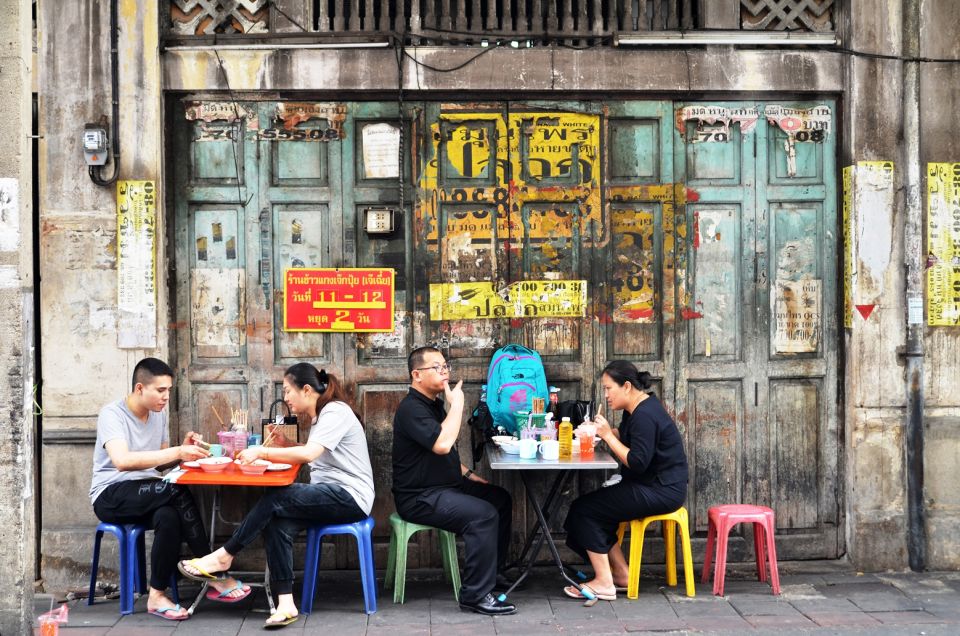
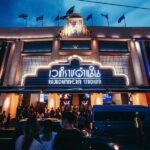
Chinatown in Bangkok isn’t one single scene. It’s layers. You’ll walk through colorful streets and narrow alleys with visible art and details that you’d probably miss if you were on your own. The tour focuses on Thai-Chinese heritage through small conversations and on-the-ground observations—things like traditional house details, community rhythm, and how people use these streets day to day.
What I find useful here is the translation between scenes and meaning. You’ll hear explanations for why certain areas look the way they do, and what the community has preserved over time. Even if your interest is mainly food and photos, this kind of context makes the neighborhood feel personal instead of random.
Sampeng Market: a shopping maze you can actually handle
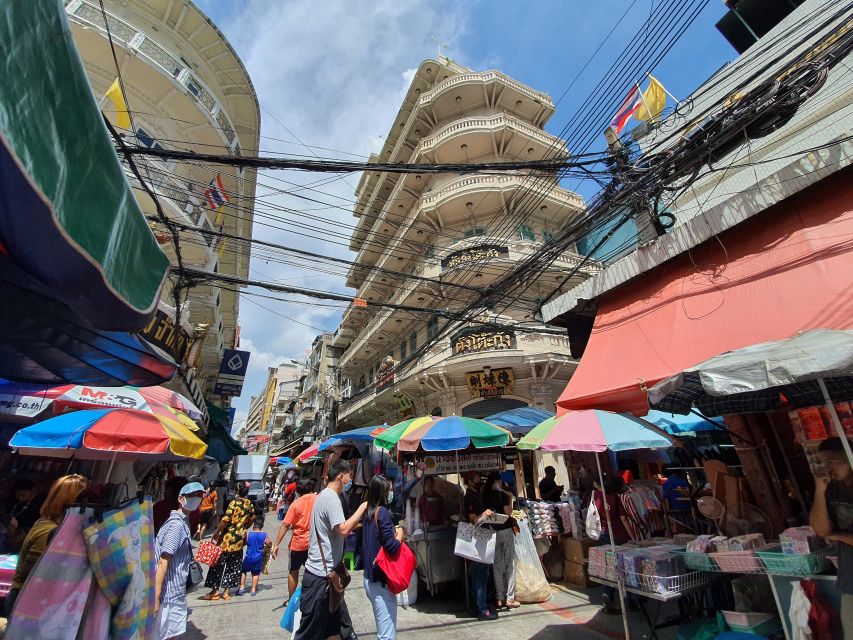
One of the biggest practical wins is the time at Sampeng Market, described as one of Bangkok’s oldest open markets and also one of the less obvious ones. This is the part where you’ll get a real sense of how locals navigate. You’ll move through a labyrinth of lanes with an array of goods, and you’ll get a guided route that helps you avoid the trap of walking in circles.
I also like that shopping here doesn’t feel like a sales pitch. It’s more about seeing what people buy, how stalls cluster, and how the market fits into the neighborhood’s daily routine. If you want souvenirs, this is where you can look for everyday items and not just the most tourist-friendly versions.
The hidden temple and the viewpoint stop (with a real stairs warning)
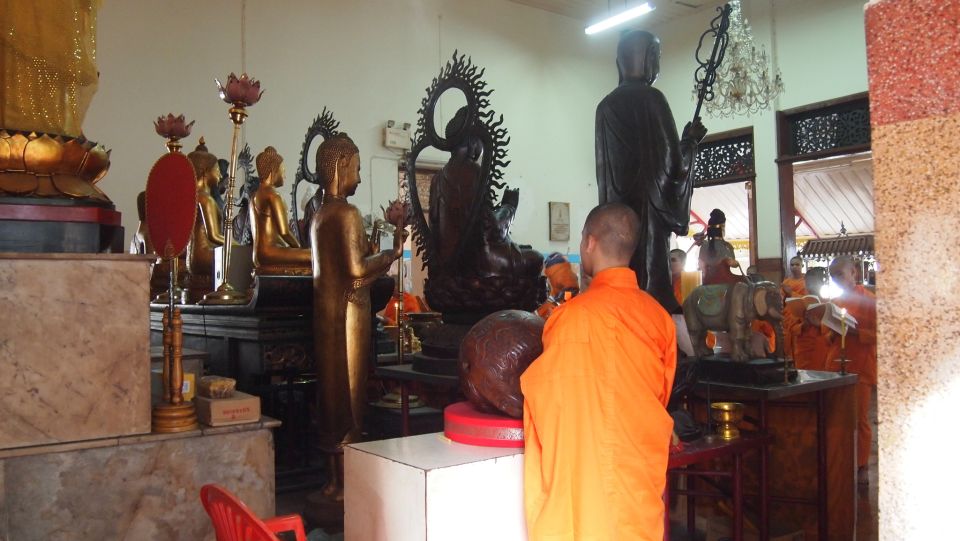
The tour includes off-the-main-path sights, including a secret temple and a viewpoint. These are the stops that tend to feel different from the rest of Chinatown—less about storefront scrolling, more about atmosphere and perspective.
Here’s the consideration you should take seriously: the tour is mostly flat except at the Chinese temple, and that temple has steep stairs. Also plan your clothing accordingly. Since it’s a temple visit, you’ll want to avoid short skirts or short pants. Bring your patience for slow steps and take your time on the stairs.
If you’re comfortable with stairs and you like places where you can hear yourself think for a moment, this portion is likely to be a highlight. If stairs make you uneasy, you can still enjoy the rest of the route, but you’ll want to judge whether you’re up for this one physical segment.
Food stops that pace the walk: snack, coffee, tastings, and local lunch
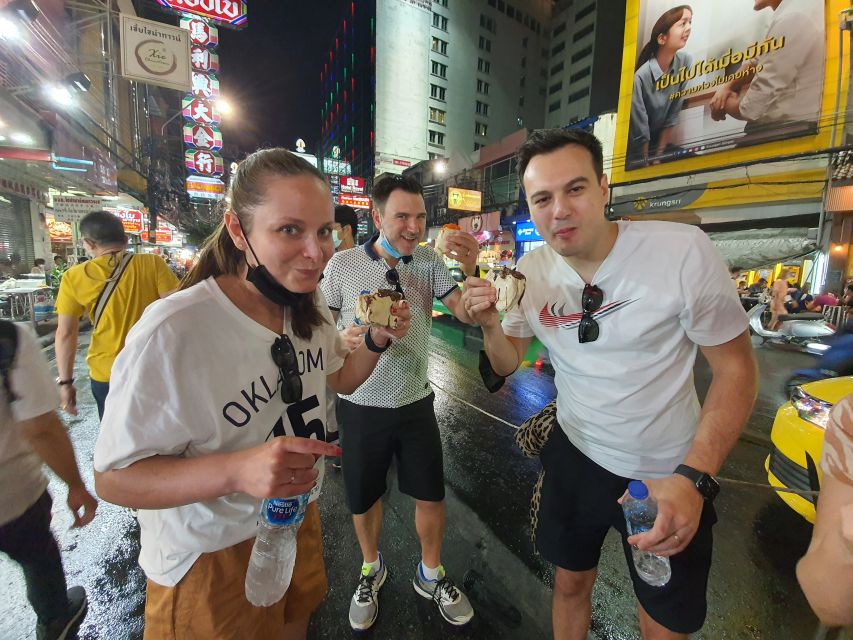
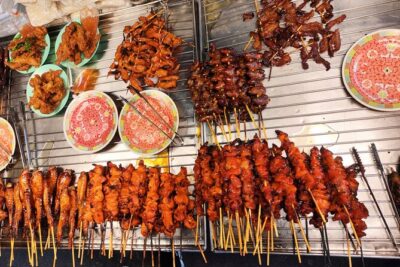
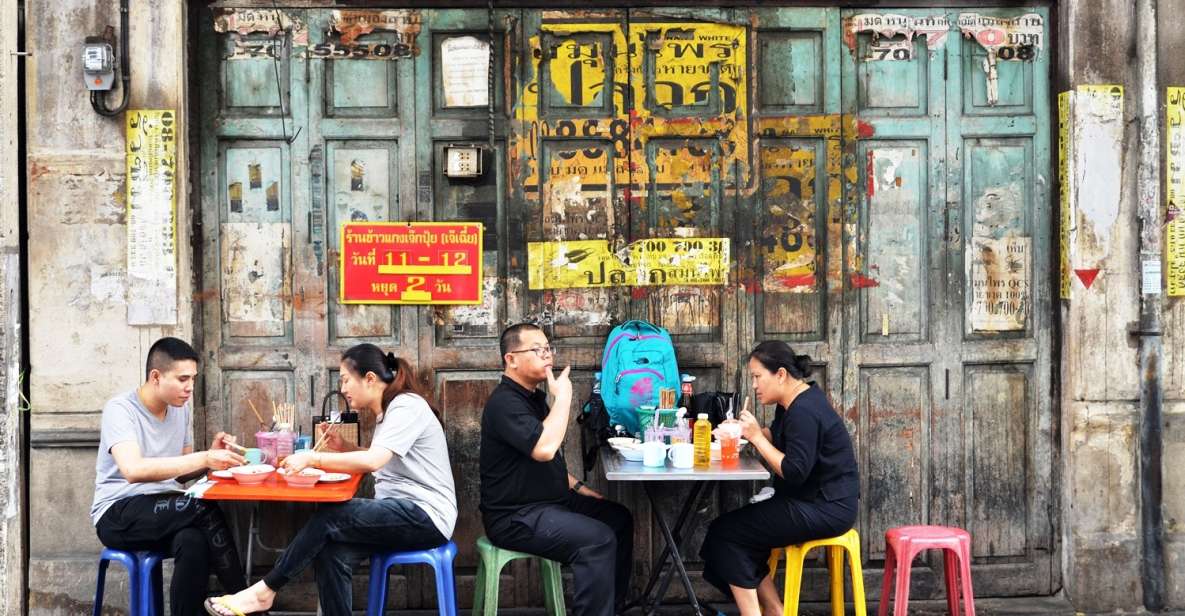
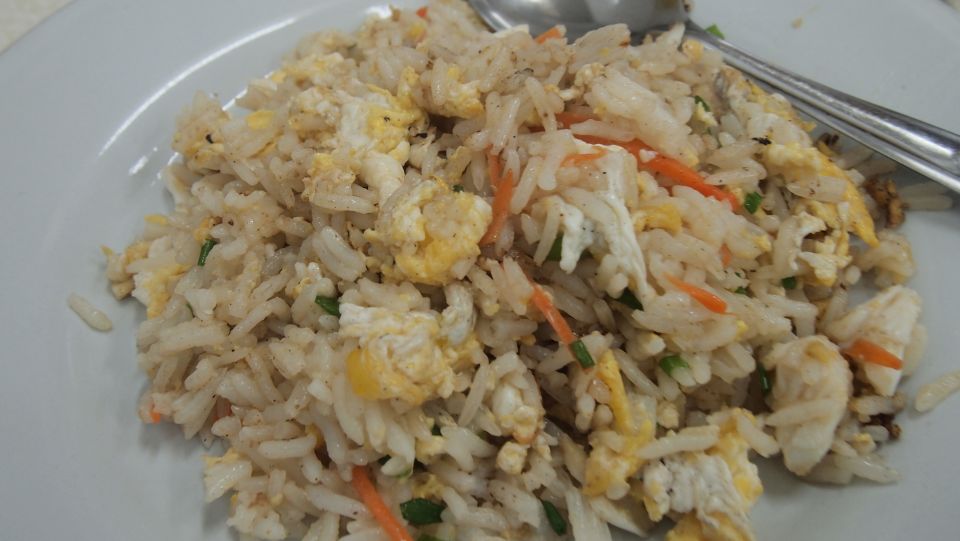
This is the part you’ll feel in your energy level. The tour includes snack, coffee, and local lunch, plus food tasting along the way. That combination matters because Chinatown can be intense on the senses, and a good guide builds in breaks that keep you from turning your walk into a sprint.
You’ll sample local snacks and drinks, then sit down for lunch at a renowned local restaurant. I like that the lunch is included, because it reduces decision fatigue. Instead of guessing where to eat once you’re hungry, you can focus on the sights and let the guide handle the best timing and the best stops.
A smart way to use this portion: go with an appetite for small tastings. The point isn’t to eat until you’re stuffed; it’s to understand what “Chinatown food life” tastes like—sweet, salty, warm, and quick—while you’re learning about the community that shaped it.
Photo stops, shopping time, and brief scenic pauses
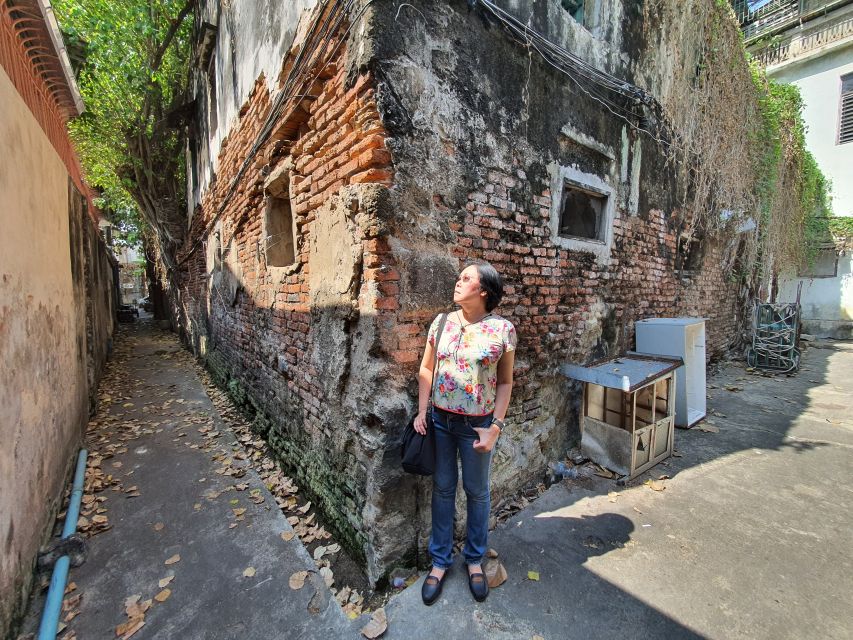
In a 3.5-hour walking tour, it’s helpful when the route isn’t nonstop. You’ll have a break time and some structured moments that work for photos and shopping. There are also scenic viewpoints on the way to keep the walk from becoming only a straight line of lanes and signage.
This pacing is especially useful if you’re traveling with camera gear or you just want a minute to reset. You’ll still cover about 4 kilometers (around 2 miles), and that distance is flat almost everywhere besides the temple stairs, which makes it manageable for many people.
Café break: a trendy pause inside a historic maze
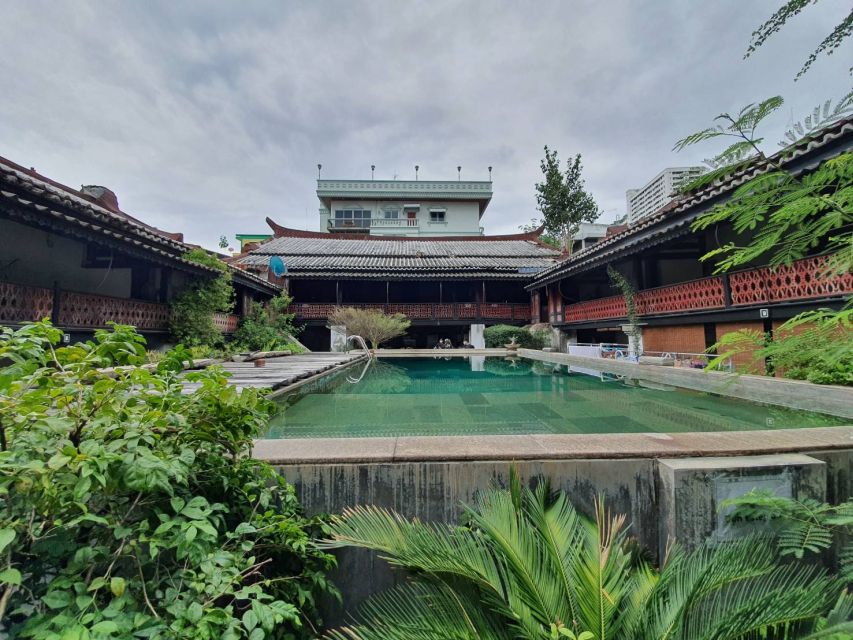
You’ll also stop at a cozy cafe, described as one of Chinatown’s trendiest spots. This is a nice contrast: you get the street-level intensity first, then a small breather with a cool drink and time to sit.
I see the value here as more than comfort. It helps you digest what you’ve seen. After a market and temple area, a cafe stop can turn into informal reflection—what stood out, what you want to remember, and what you want to look for if you return later.
Price and value: what you really get for about $41
At $41 per person for about 3.5 hours, the main value isn’t just the guide. It’s what’s bundled into the time. You’re getting:
- 15+ Chinatown places visited
- a tour guide
- snack + coffee
- local lunch
That combination can matter more than the headline price. In a place like Bangkok, food and a guided route can easily add up quickly, especially if you’re doing them separately throughout the day. Here, the cost is anchored to a structured plan that already includes eating and a full set of stops.
If you’re the kind of traveler who likes to see multiple parts of a neighborhood in one go—market, temples, side lanes, viewpoint—and you also want a real meal, this feels like a practical deal.
Practical tips so you don’t trip up (or dress wrong)
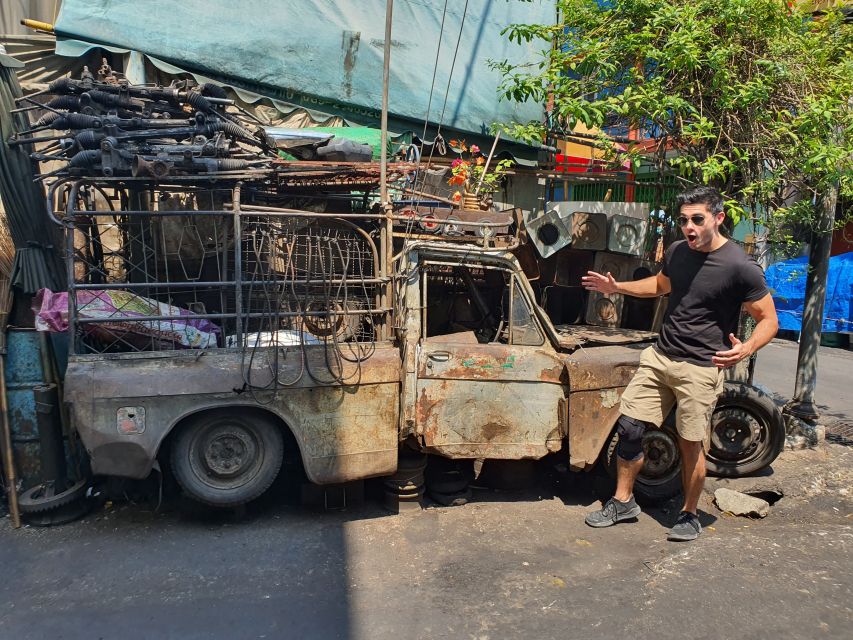
Walking distance is about 4 km, and it’s mostly flat except the temple stairs. Shoes matter. Wear easy on-and-off shoes (or flip-flops, if they fit securely) and expect some uneven temple steps.
Clothing matters too because you’ll visit temples:
- avoid short skirts or short pants
- plan for careful movement on steep stairs
And in May–September you’ll likely face rain, so bring an umbrella if you can. Chinatown can be slippery when it’s wet, and you’ll be happier if you can keep walking without panic.
Who should book this Chinatown walk?
This tour is a great match if you want:
- a guided route through Chinatown’s less obvious lanes
- time at Sampeng Market
- temple sights plus a viewpoint
- included snack, coffee, and local lunch
- conversations that focus on Thai-Chinese community life
It’s not suitable for wheelchair users. It’s also not suitable for pregnant women, babies under 1 year, and people over 95 years. If any of those apply, I’d look for an alternative that fits your mobility needs and comfort level.
Should you book? My take
If you want a Chinatown day that’s more than a photo walk, I think this is worth booking. You get a strong mix: market lanes, temple moments, a viewpoint, and food that’s part of the story. The included lunch plus coffee and snacks make it easy to enjoy without constantly searching for your next meal.
The main reason to hesitate is the temple stairs. If you’re okay with that and you’re dressed for temples, this tour can give you a clearer, more enjoyable Chinatown experience in just 3.5 hours than going solo.
If you want, tell me your travel dates and what you care about most (food, temples, shopping, photos, or history), and I’ll help you decide whether this route fits your day.
FAQ
How long is the Chinatown walking tour?
It lasts about 3.5 hours.
Where is the meeting point?
You meet at MRT Hualampong Exit 1. The guide has an Eatwalktalktour shirt.
What is the total walking distance?
The walking distance is about 4 kilometers (around 2 miles).
Is the route mostly flat?
It’s flat almost everywhere, except for the Chinese temple area.
What does the tour include?
It includes a tour guide, snack, coffee, and local lunch, plus visiting 15+ places in Chinatown.
What is not included?
Hotel pickup and drop-off are not included, and alcoholic drinks are also not included.
Do I need to dress a certain way since temples are included?
Yes. Since you’ll visit temples, avoid short skirts or short pants.
Is the tour accessible for wheelchair users?
No, it is not suitable for wheelchair users.
Is there a rainy-season tip?
Yes. From May to September, you may want an umbrella.
Are there any age or pregnancy restrictions?
It’s not suitable for pregnant women, babies under 1 year, and people over 95 years.